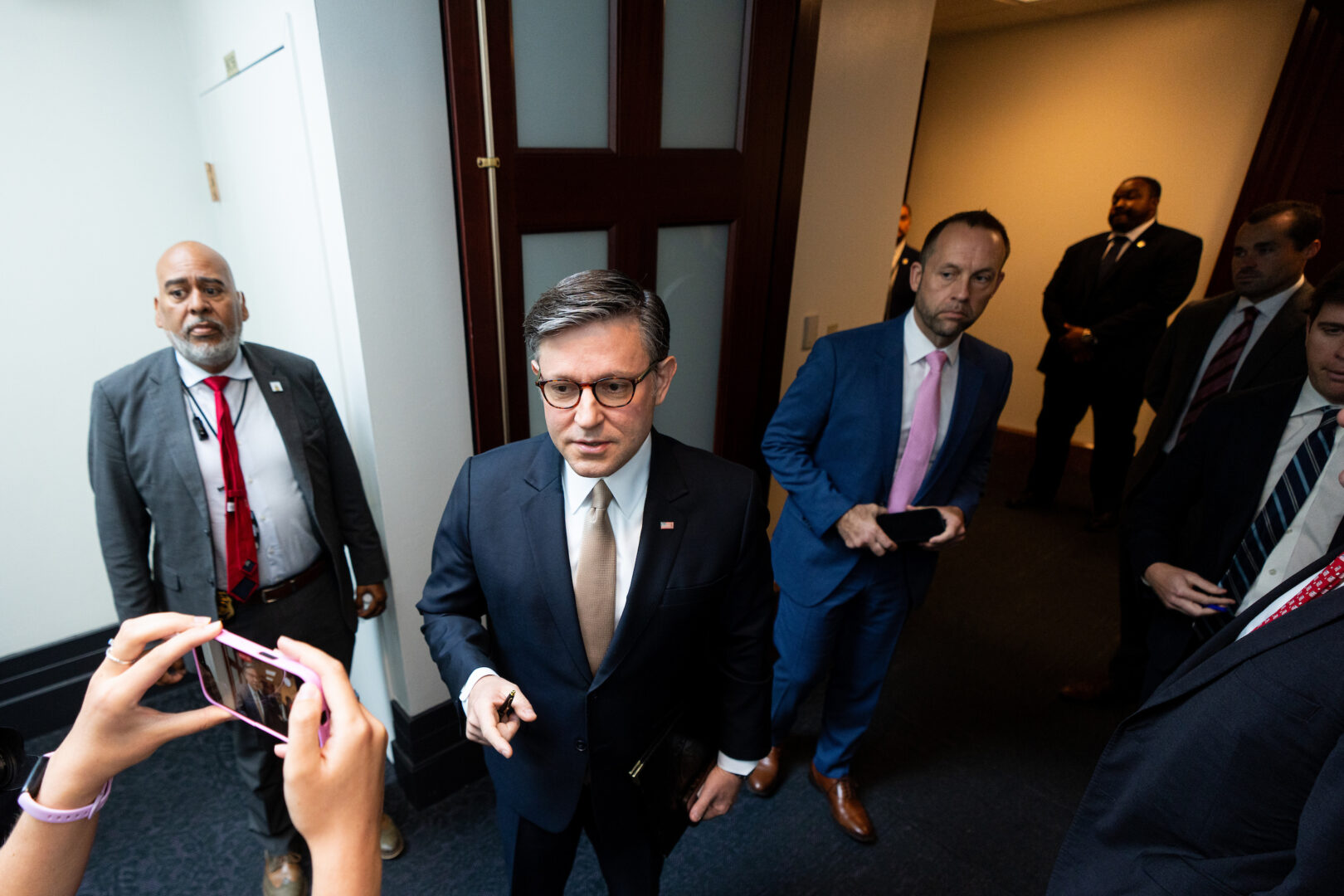
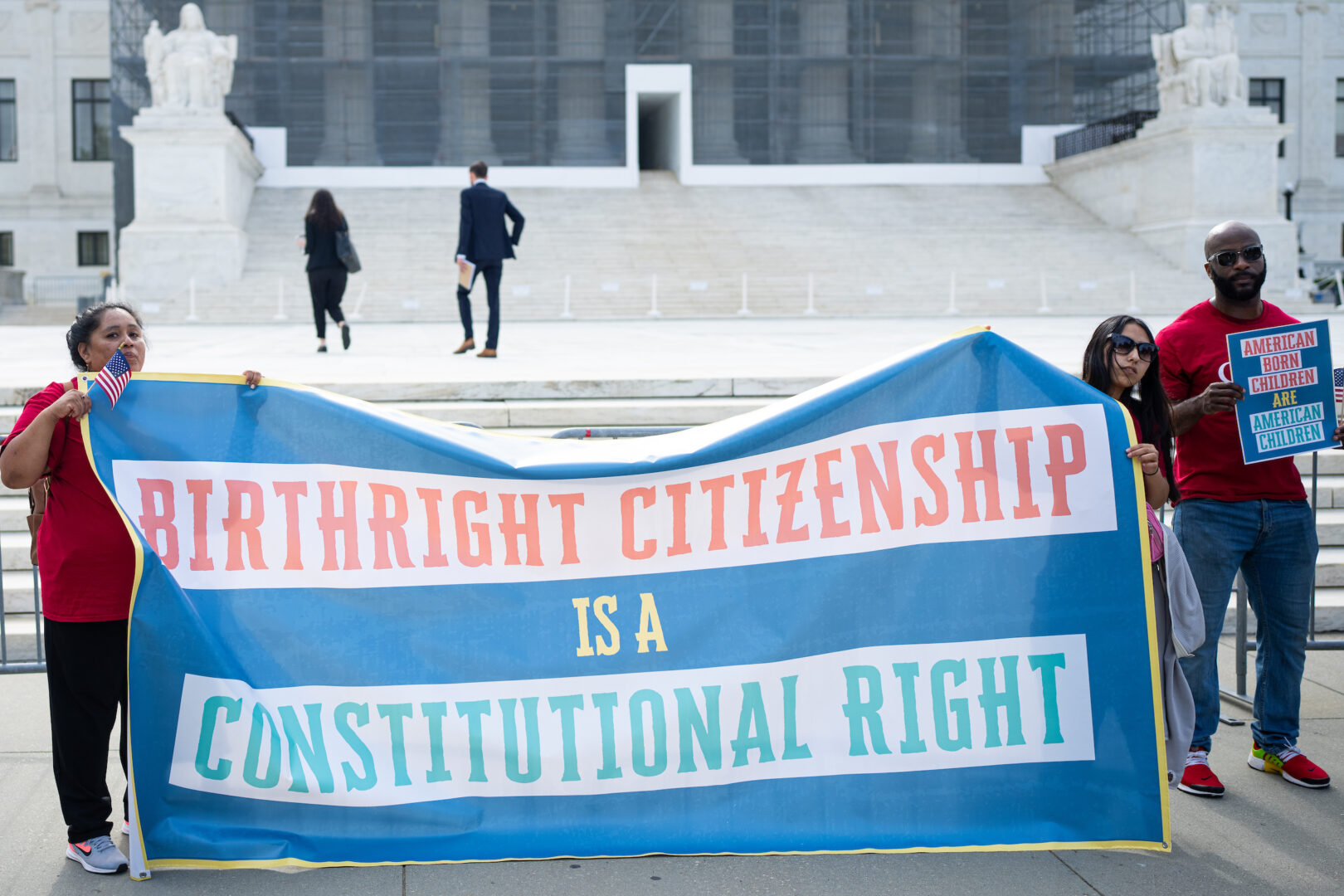
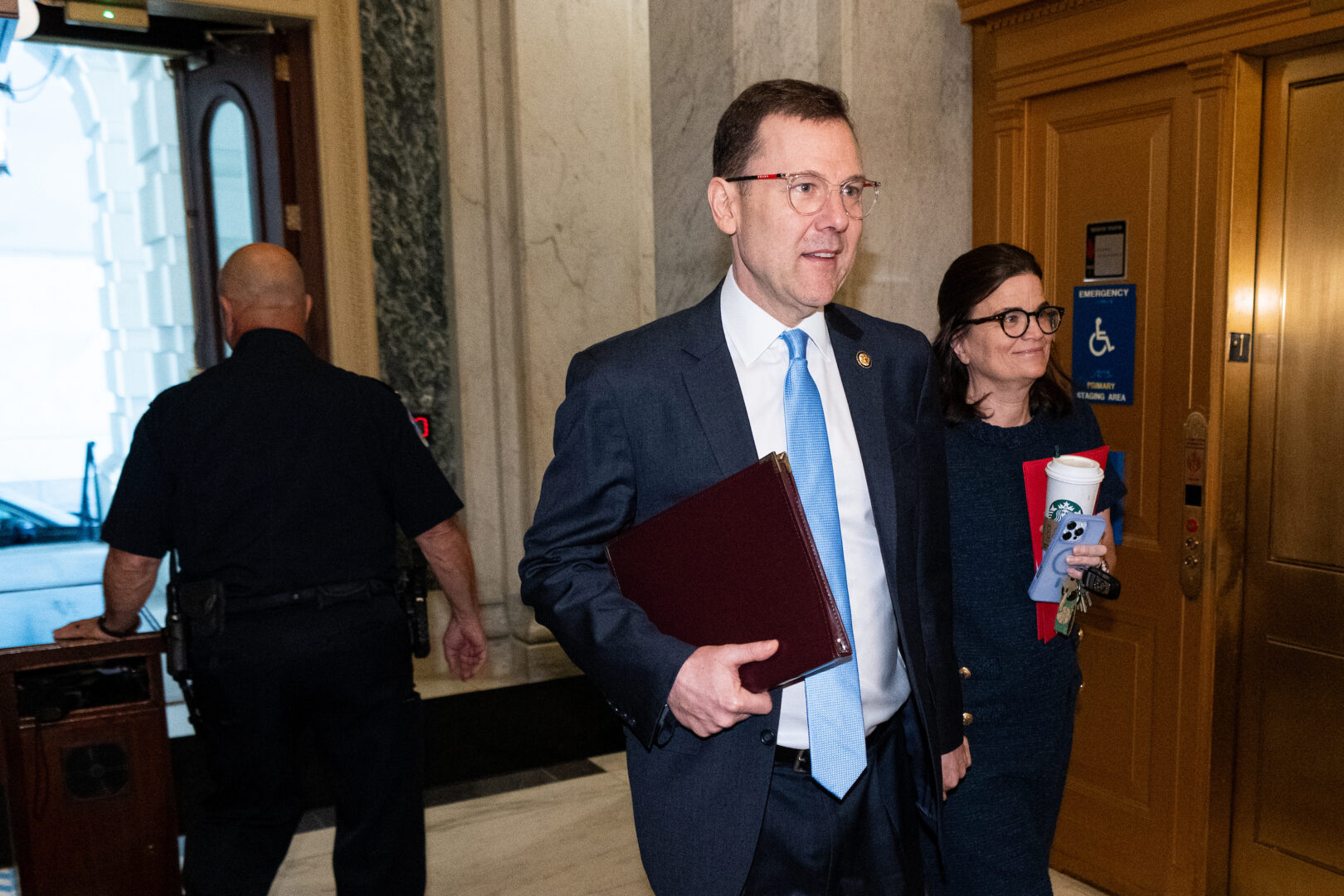
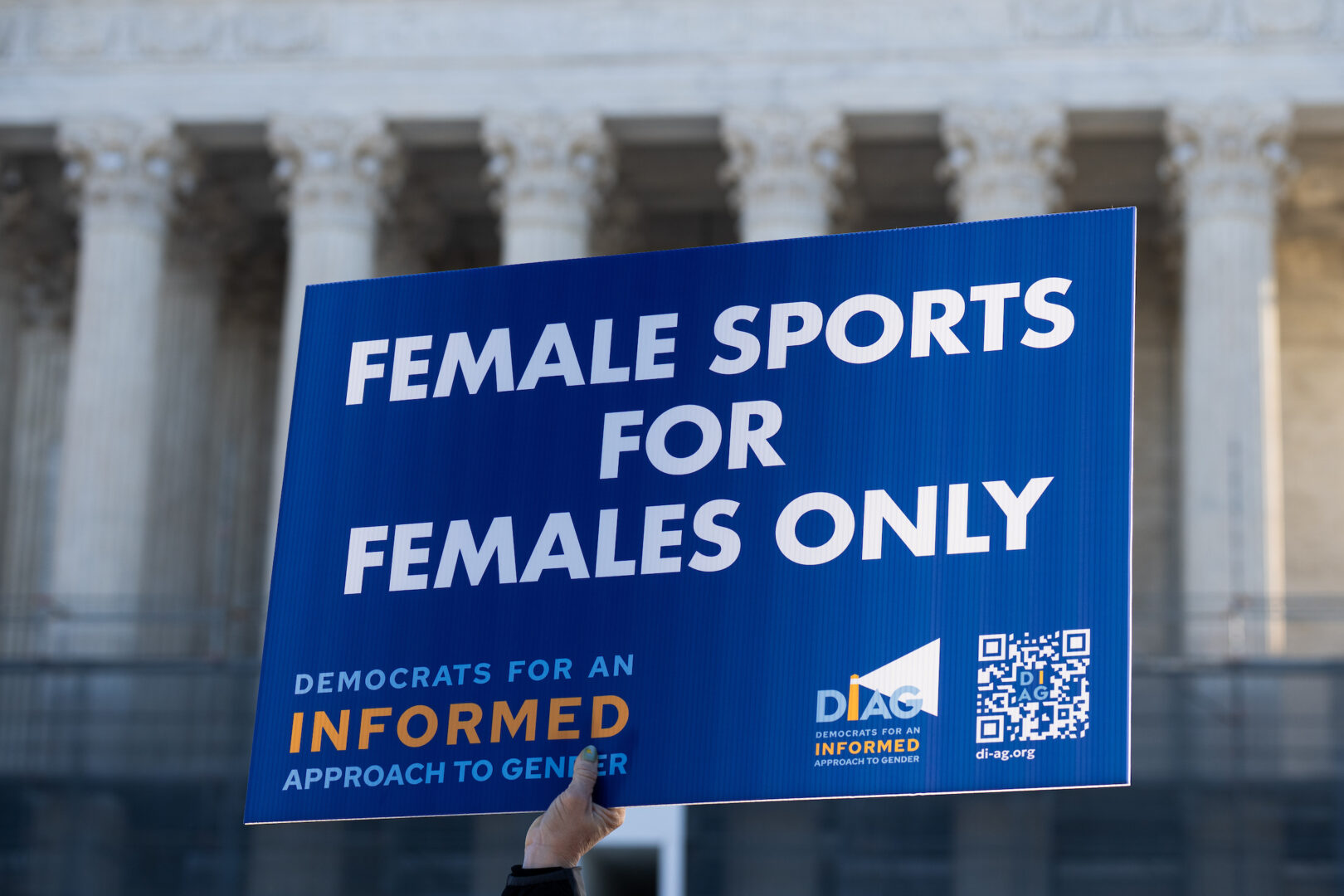
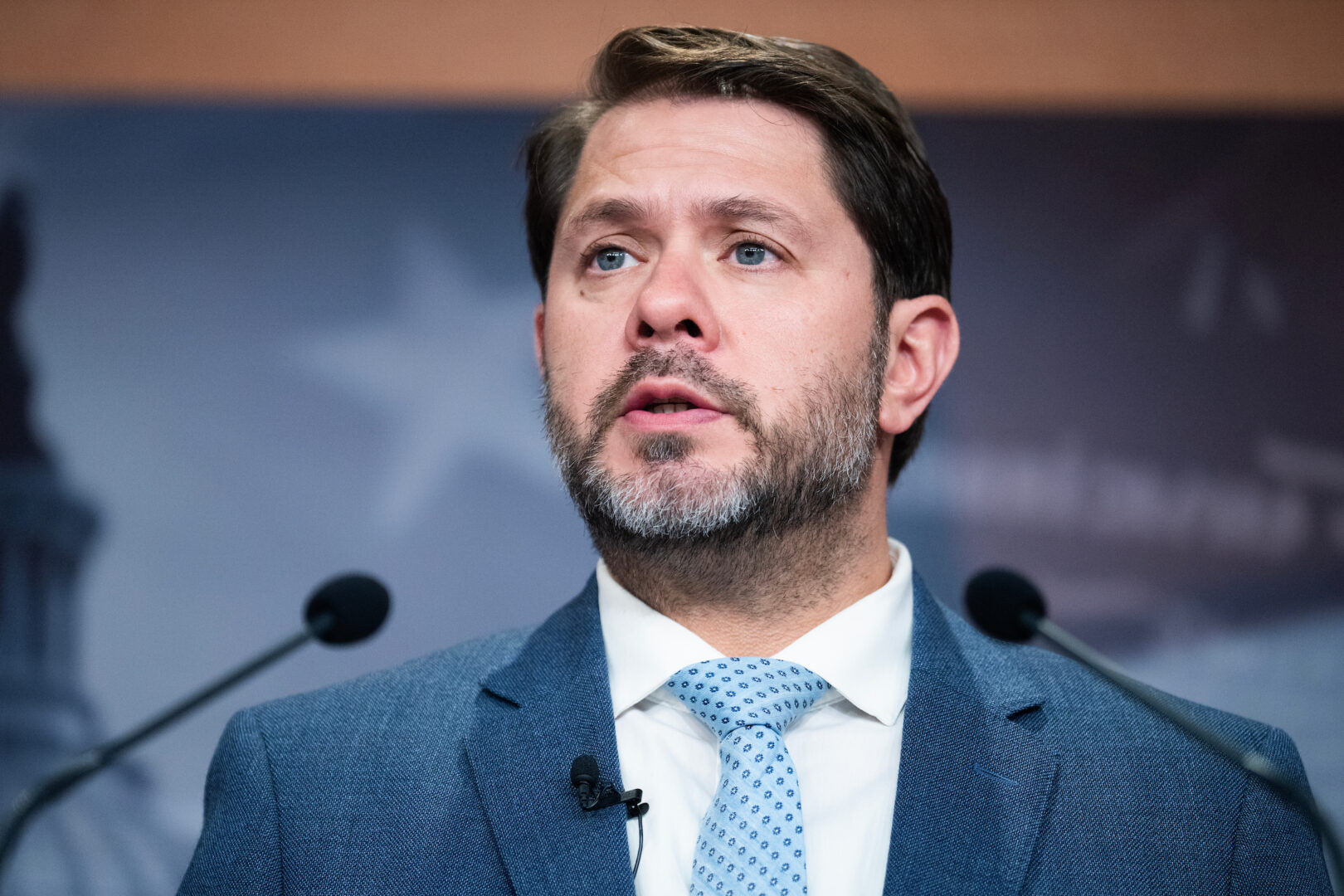
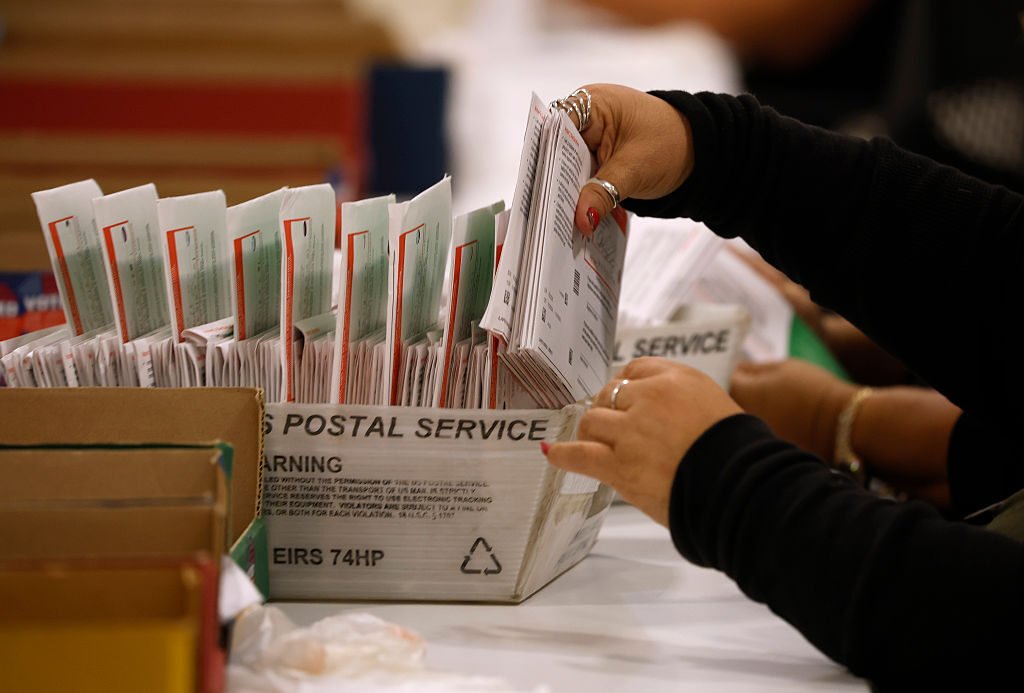
The most recent Supreme Court term has left Congress grappling with how to respond to a court that experts say has grabbed considerably more power for itself. Conservatives were rankled by a Supreme Court decision quashing President Donald Trump’s effort to limit birthright citizenship, for example. Democrats, meanwhile, were outraged by a decision allowing Trump to fire officials at independent agencies like the Federal Trade Commission. Despite that, analysts say, Congress isn’t likely to take action to respond to either case. With a closely divided Congress more wired to respond to the presidency, Casey Burgat, director of the legislative affairs program at the Graduate School of Political Management at George Washington University, said Congress is unlikely to pass legislation to respond to this term's Supreme Court decisions. “This is a function of our reality in a very polarized, insecure, small-majority environment where the powers can exist on paper and within the Constitution, but operationalizing those powers is a very different political question,” he said. Immediately following the birthright citizenship decision last week, Trump called for Congress to pass legislation to end birthright citizenship, despite the court’s conclusion that the Constitution's 14th Amendment itself granted birthright citizenship. “Congress should start TODAY to work on ending expensive and unfair to our Country, Birthright Citizenship. They will have my Complete and Total Support!” Trump posted on Truth Social. Speaker Mike Johnson, R-La., told reporters last week that responding to the birthright citizenship decision would likely take a constitutional amendment. “It’s one of those things that was intended to serve a noble and important purpose and has been thwarted and overused and abused, and so I’m sure that we’ll continue to look at that,” said Johnson, who is a constitutional lawyer. "I’m sure that the conclusion from this decision is you have to amend the Constitution to fix that.” Aziz Huq, a professor at the University of Chicago Law School, said despite Republicans controlling the White House and both chambers of Congress, the White House has done little to push Congress to legislatively respond to the Supreme Court’s decisions this term. “You could imagine an administration that is capable of nuance and nudging Congress; you could imagine congressional responses,” Huq said. “It is a little hard to see how this White House responds by going to Congress and getting new authorities.” Even if it did, however, Congress seems unable to respond. On Monday last week, the court decided to uphold a state law allowing the counting of late-arriving mail ballots in federal elections. That ruling only contributed to a long-standing fight that has paralyzed the House of Representatives in recent weeks over a voter ID bill known as the SAVE America Act that would, among other provisions, ban the counting of such late ballots. Democrats and voting rights Democrats, meanwhile, have their own problems with the justices. They’ve contemplated sweeping changes to the institution ranging from imposing an ethics code on the justices to expanding the court and imposing 18-year terms. In a livestream event in response to the FTC firing case, Sen. Cory Booker, D-N.J., reiterated his frustration with the court and called for Congress to address the institution — even if it meant abandoning the 60-vote threshold on the filibuster. “We can do that in a Congress that's willing to do that, especially if we're willing to reform the filibuster, which is one of the things in the Senate that's stopping us from having the kind of democratic reforms that we want to have, because the majority of Republicans will always vote against finance laws, disclosure laws, anti-gerrymandering laws, and the like,” Booker said. The frustration from Booker and other Democrats has built for more than a decade as they struggled to build bipartisan support to pass a new version of the Voting Rights Act after the 2013 decision in Shelby County v. Holder that invalidated pre-clearance of voting rule changes by the Justice Department. The justices have issued several decisions since then further limiting the Voting Rights Act's scope, including one this year that curtailed the creation of majority-minority congressional districts. Sherrilyn Ifill, former president of the NAACP Legal Defense Fund and a law professor at Howard University, said she saw a throughline from the short shrift the Supreme Court’s 2013 decision on the Voting Rights Act gave to the 2005 reauthorization of the law to the court’s decisions in more recent cases. “They won’t even credit congressional votes as having any significance because they ‘know’ why Congress did it,” Ifill said. Ifill pointed to a dissent this term from Justice Ketanji Brown Jackson in a case called FS Credit v. Saba Capital where the majority limited the ability of investors to sue when investment funds break certain rules. There Jackson wrote that the court should not treat Congress with “contempt” when interpreting the law. “They absolutely don’t believe Congress is a coequal branch of government,” Ifill said. “They have arrogated power to themselves and sometimes to the president.” An occasional rebuke Even when both parties can agree, congressional rebuke of the Supreme Court is rare. The last time Congress directly passed a law in response to a Supreme Court ruling was in 2009, when then-President Barack Obama signed a law known as the Lilly Ledbetter Fair Pay Act, when Democrats had their own trifecta. Prior to that, the highest-profile legislation passed in response to a Supreme Court decision was the Religious Freedom Restoration Act in 1993. The law, which expanded religious exemptions from government requirements, came in response to a 1990 decision by the court in Employment Division v. Smith, where the justices limited the scope of religious freedom claims. Even in other, less high-profile areas of American law, Congress has not been able to muster bipartisan disagreement with the court into legislation that passes both chambers. For example, starting in 2010, the Supreme Court made a series of decisions narrowing what can be patented. Since then, for nearly a decade, bipartisan groups of lawmakers have repeatedly introduced legislation to tweak those rules. The efforts have stalled each time.