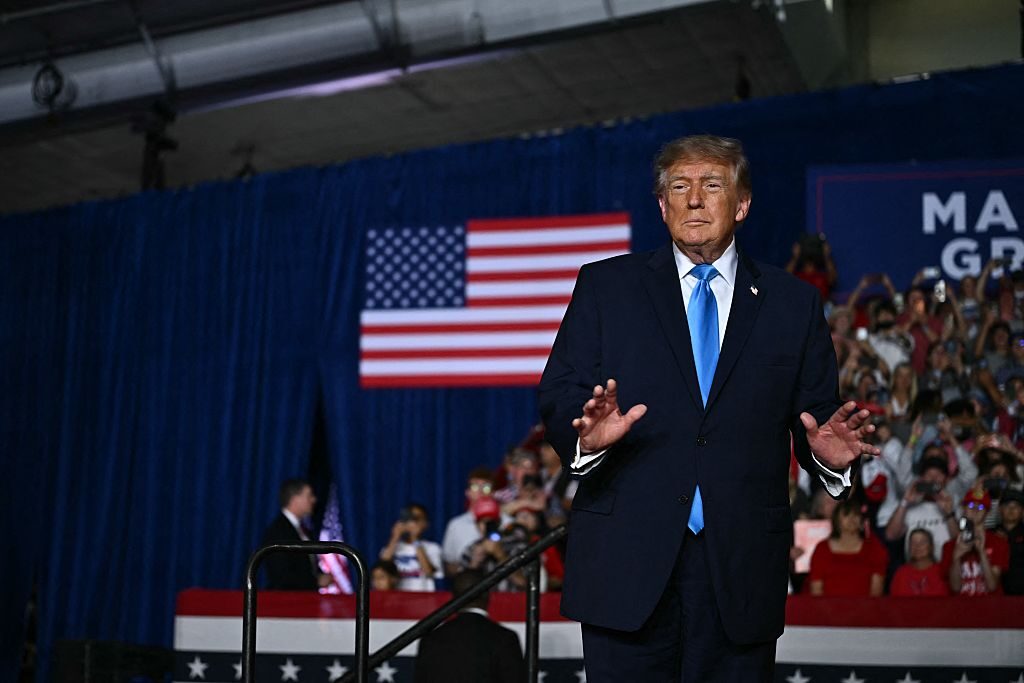
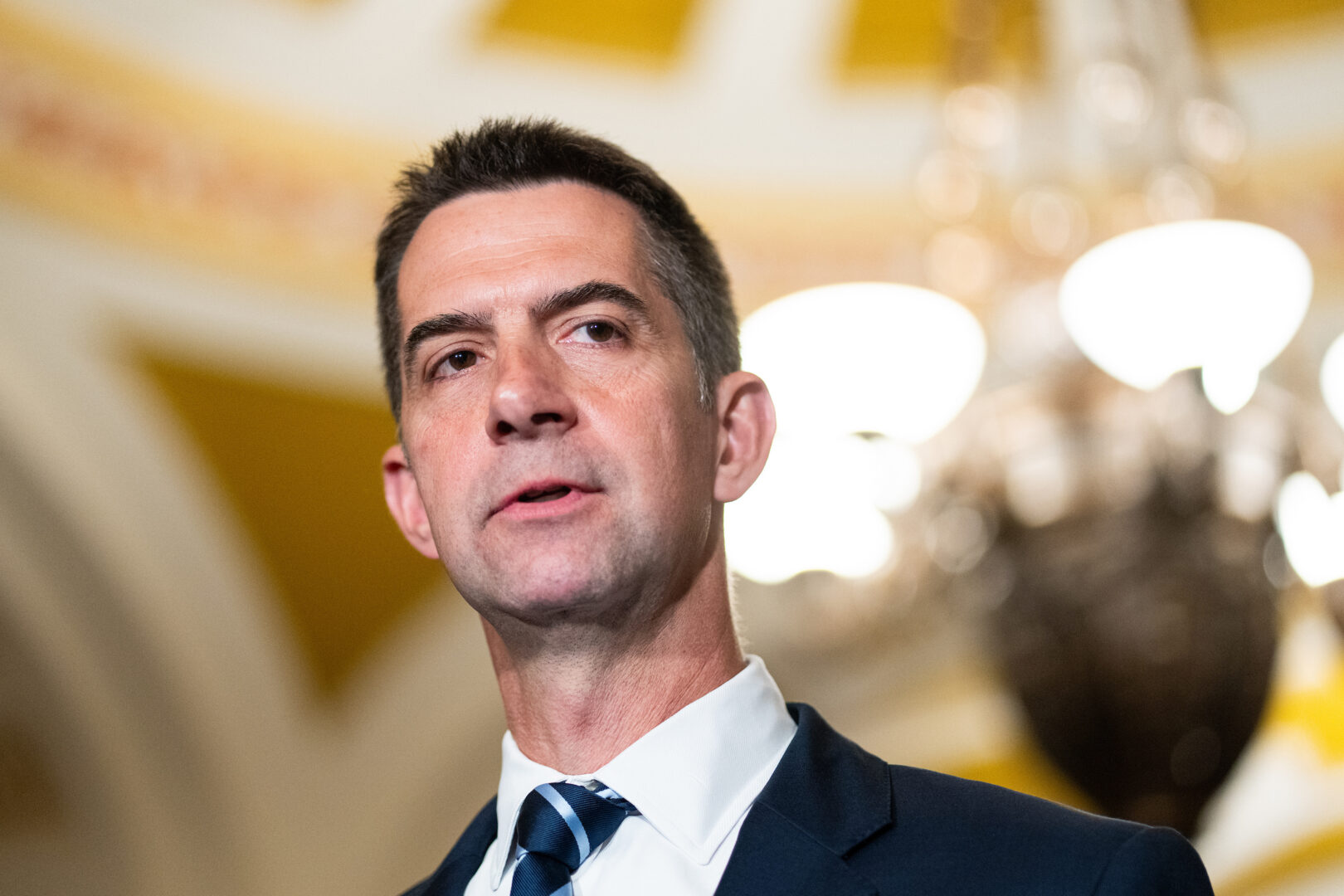
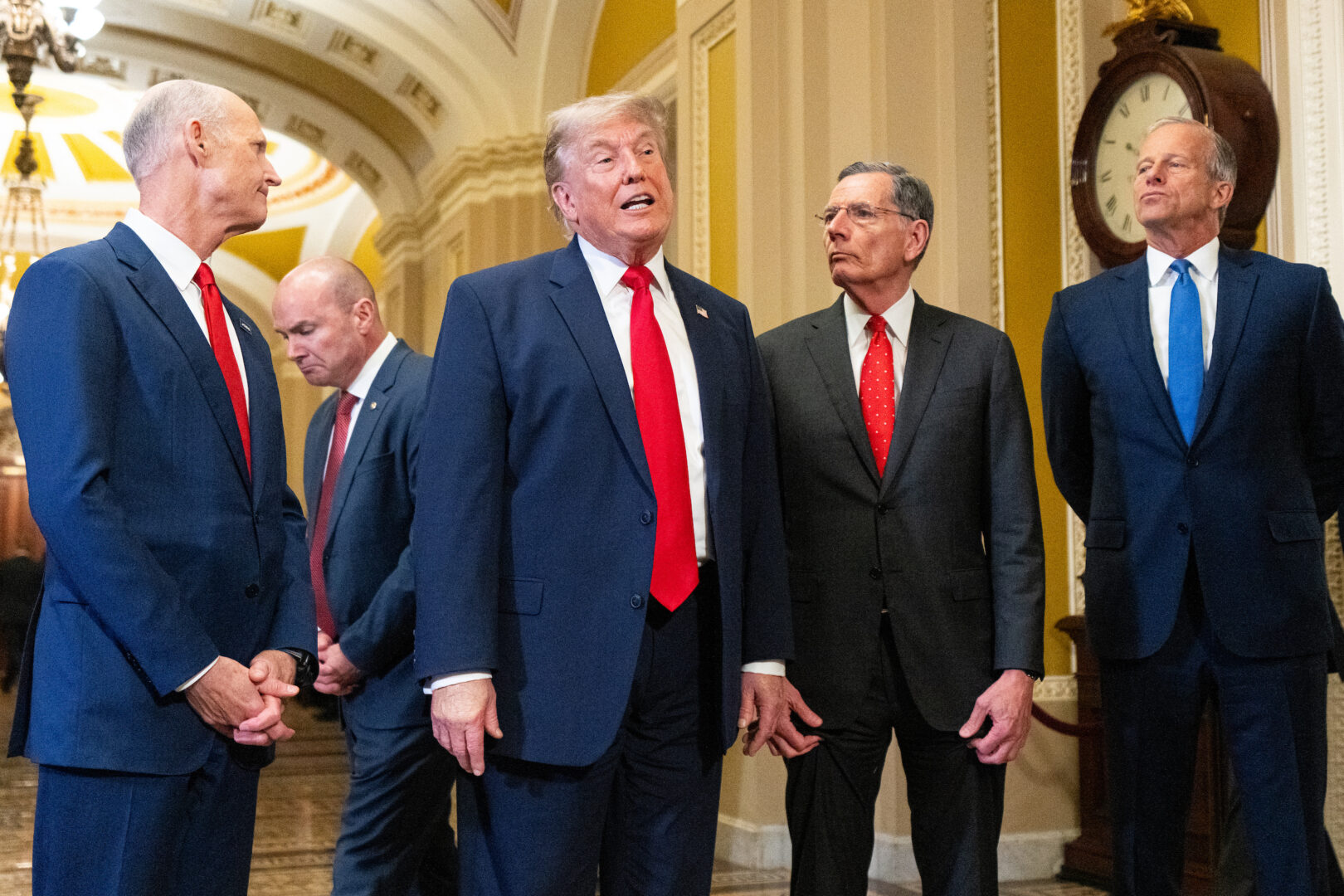
The endless fight over daylight saving time is back in the news after President Donald Trump urged the Senate to clear a House-passed bill to make it permanent. Trump said in a social media post over the weekend that Sen. Tom Cotton, R-Ark., is the chief obstacle to the measure and gave out Cotton's cellphone number so proponents could pressure him. “To the Great People of Arkansas, please let your Senator know it would be a GREAT Bipartisan WIN for the United States Senate,” Trump said in a Saturday post on Truth Social. “Call Tom on his cellphone.” CQ Roll Call texted the number shortly after Trump's post and asked Cotton if he wanted to chat about being doxxed or about his daylight saving time policy disagreements with Trump. Cotton did not respond, but on social media, he did defend his position. “No one likes changing the clock, me included, but Congress has enacted permanent Daylight Savings Time multiple times before and repealed it each time once Americans experienced absurdly late sunrises in the winter,” Cotton wrote Saturday on X. “Arkansans don’t want their kids going to school in the pitch dark, and I’ll always put Arkansas first.” Sen. Katie Britt, R-Ala., also weighed in on the dispute after chairing a pro forma session of the Senate on Tuesday. "You know, it's something obviously the people of Alabama, for the most part, have said that they're for, and so we'll look for a pathway to have dialogue about it to sort of hear both sides," Britt told reporters. "But I would anticipate, given the president's energy around it, that we'll have that dialogue and debate when we get back." The House passed Florida GOP Rep. Vern Buchanan's "Sunshine Protection Act" in July on a 308-117 vote. The bill is also included in the House version of the reauthorization bill for the National Highway Traffic Safety Administration approved in May by the Energy and Commerce Committee. Buchanan's bill would make daylight saving time permanent but would give states the option of adopting standard time on a permanent basis instead. Most of the nation will switch to DST Nov. 1, when clocks are rolled back one hour. The U.S. briefly tried switching to permanent daylight saving time in December 1973, just after the oil crisis that year that caused prices to spike, in an experiment that was designed to last for 16 months. Shifting daylight to the evening resulted in an energy savings of roughly 1 percent in March and April 1974, according to the Federal Energy Administration, the precursor to the Energy Department. However, the experiment was ended early in October 1974 after people expressed their dislike of late sunrises in the winter. The 2005 Energy Policy Act lengthened daylight saving time by shifting its beginning day to March and the end date to November each year beginning in 2007. The Energy Department found this resulted in a 0.5 percent energy savings for each day of extended DST. John T. Bennett, Mark Schoeff Jr. and David Jordan contributed to this report.