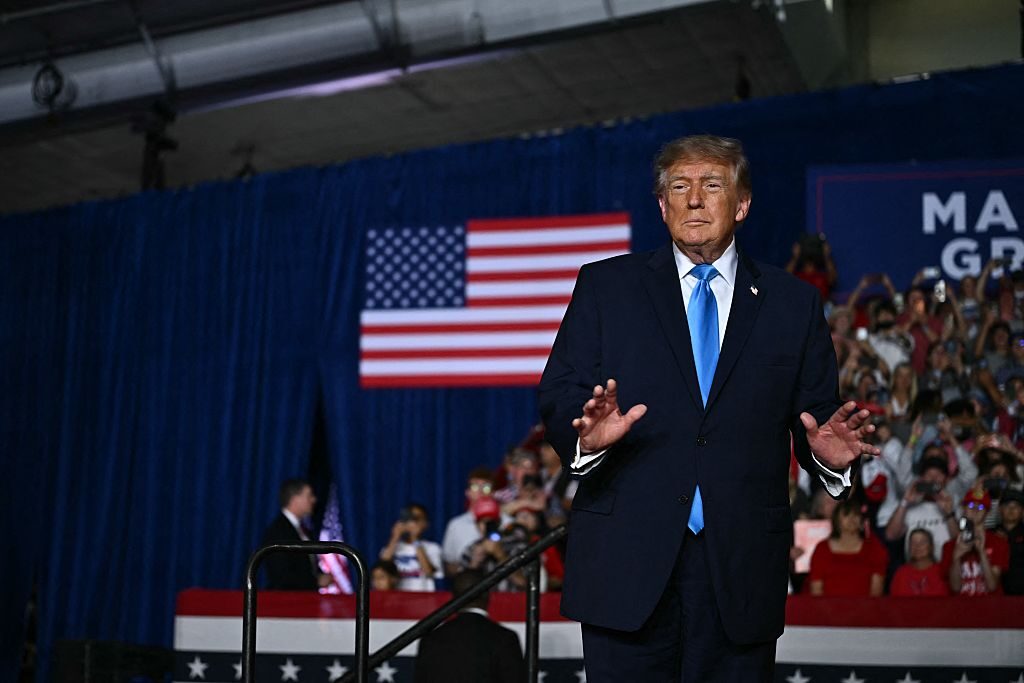
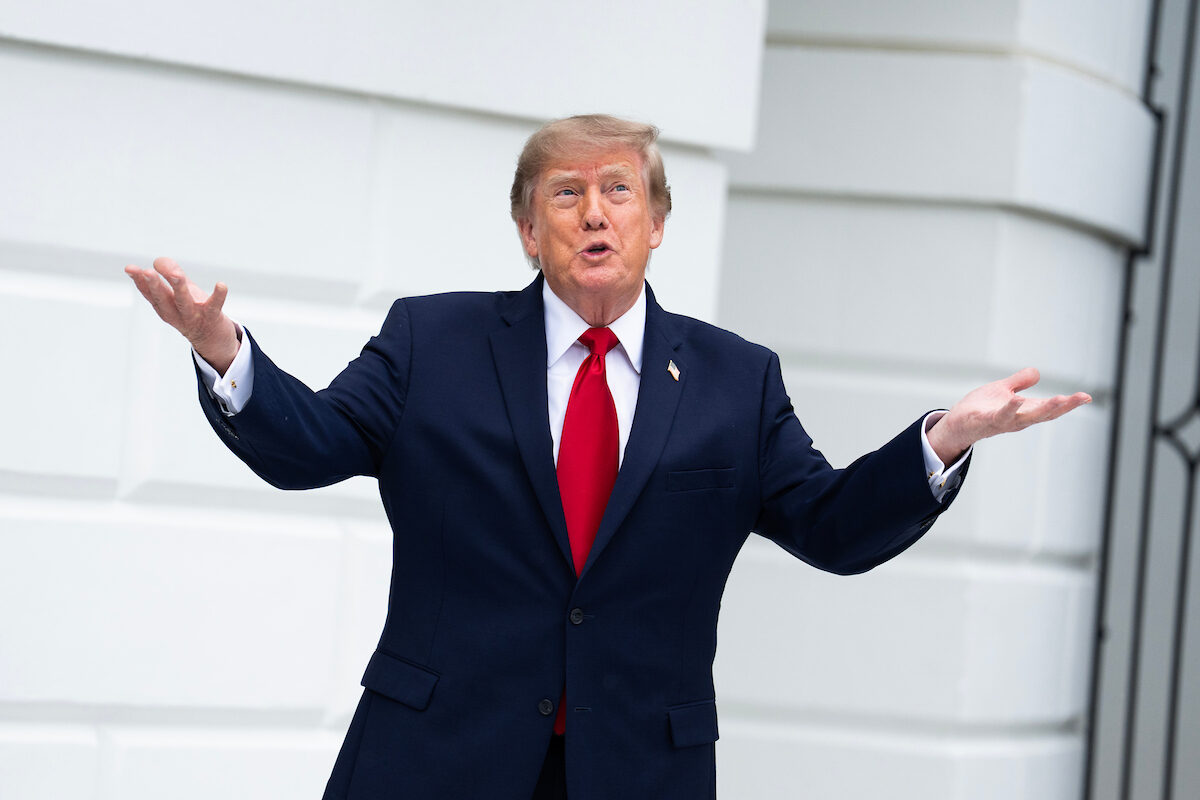
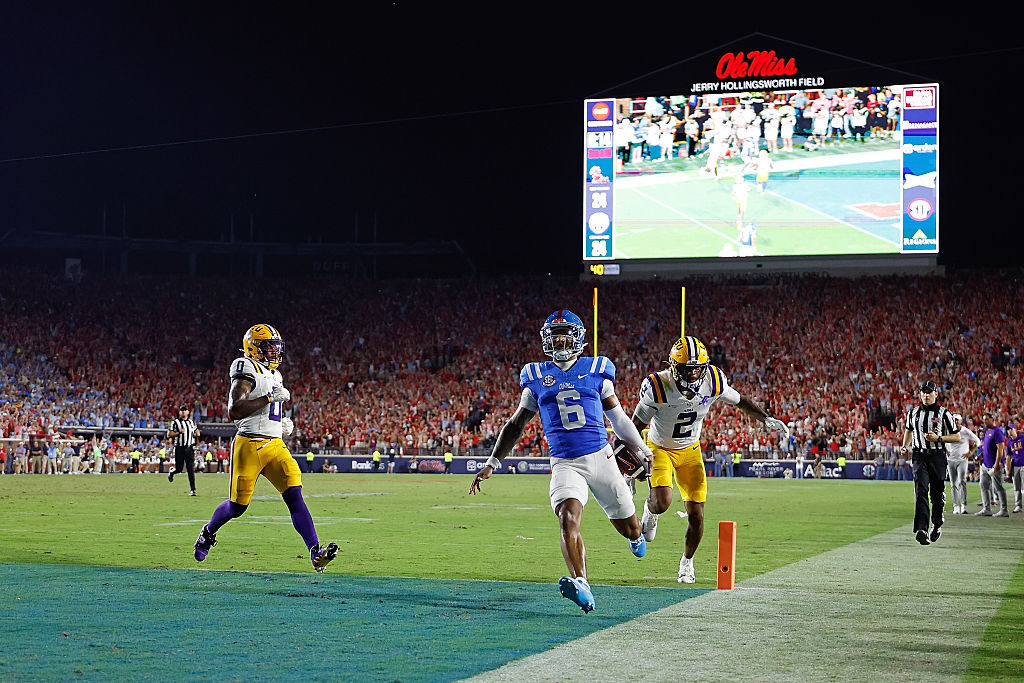
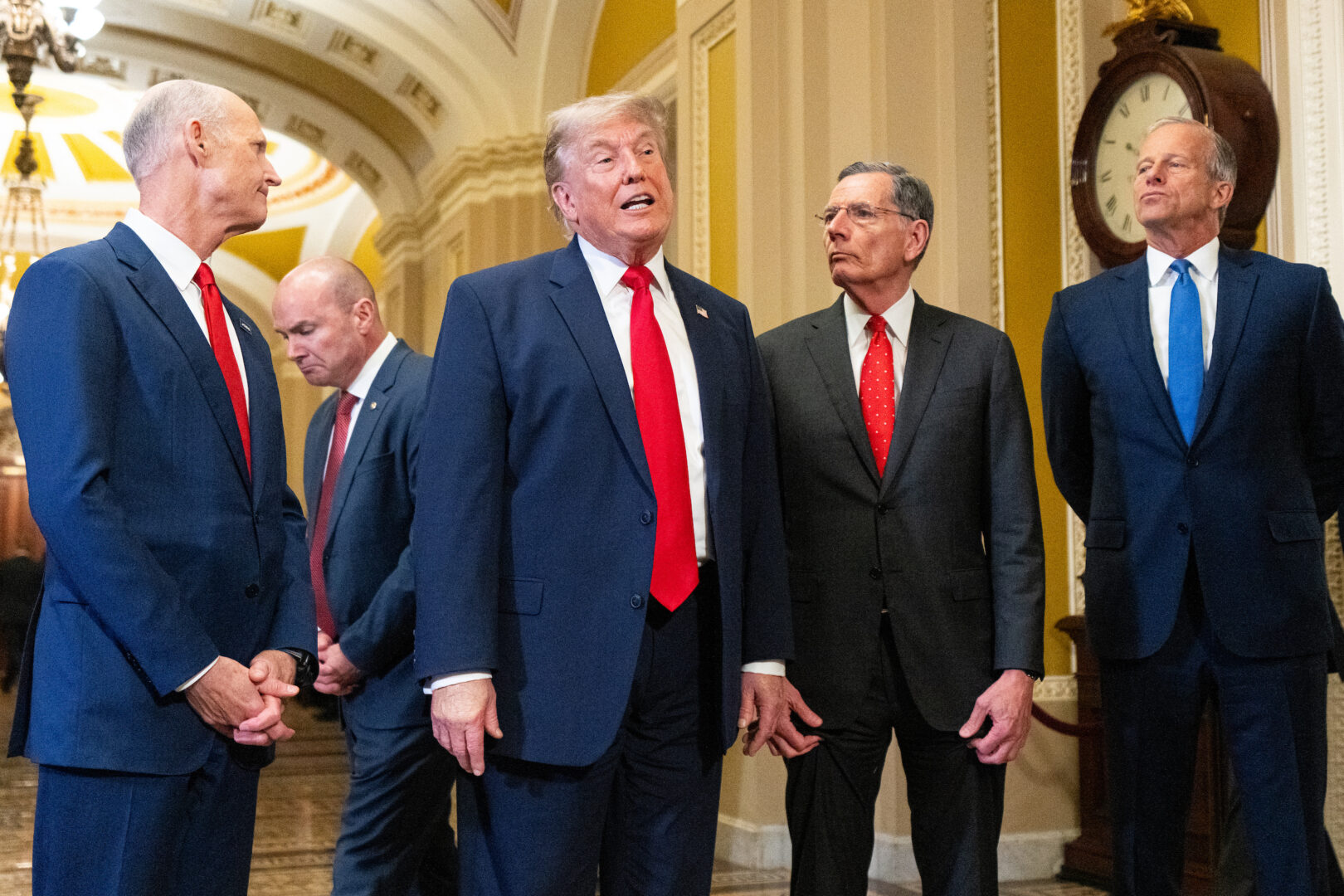
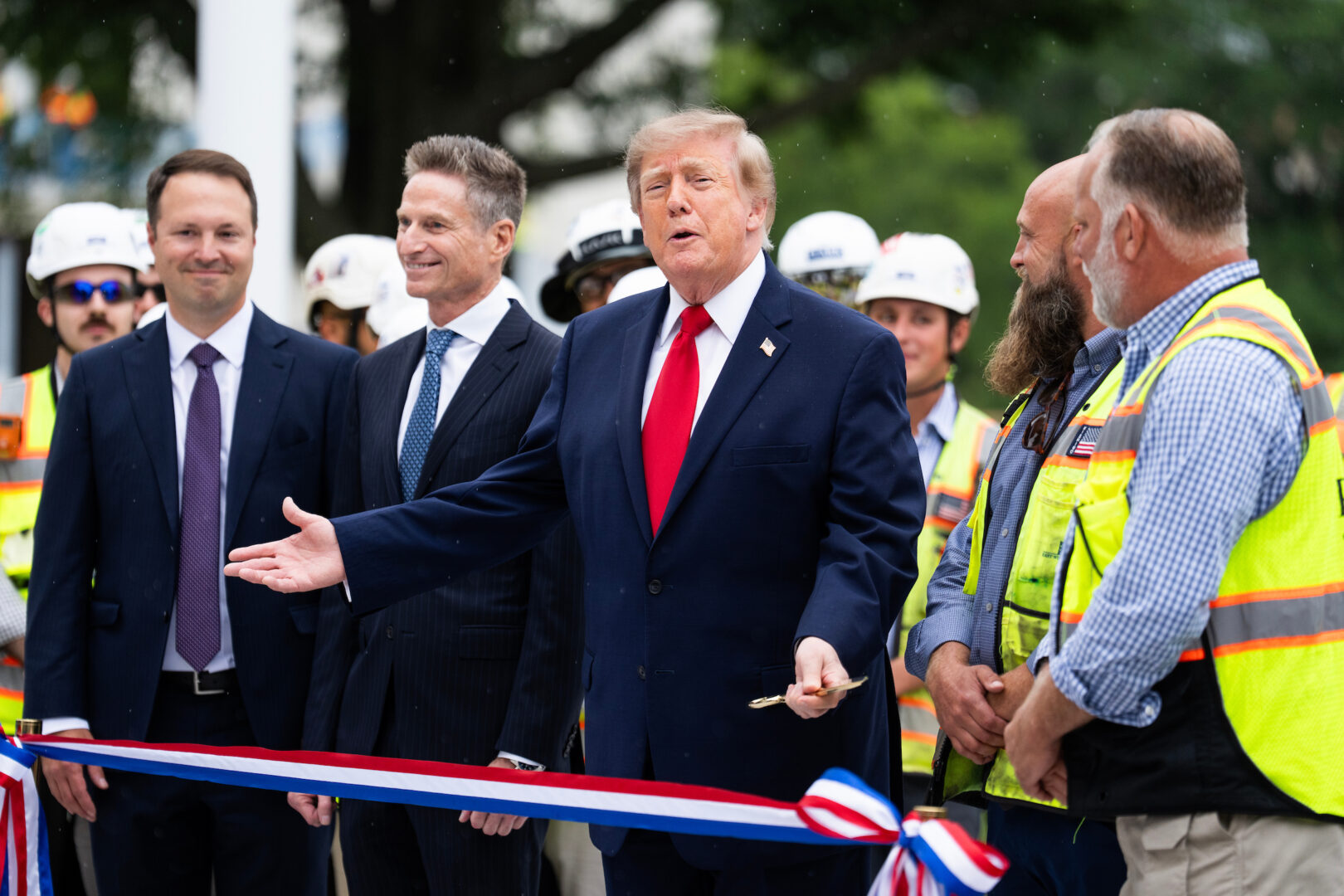
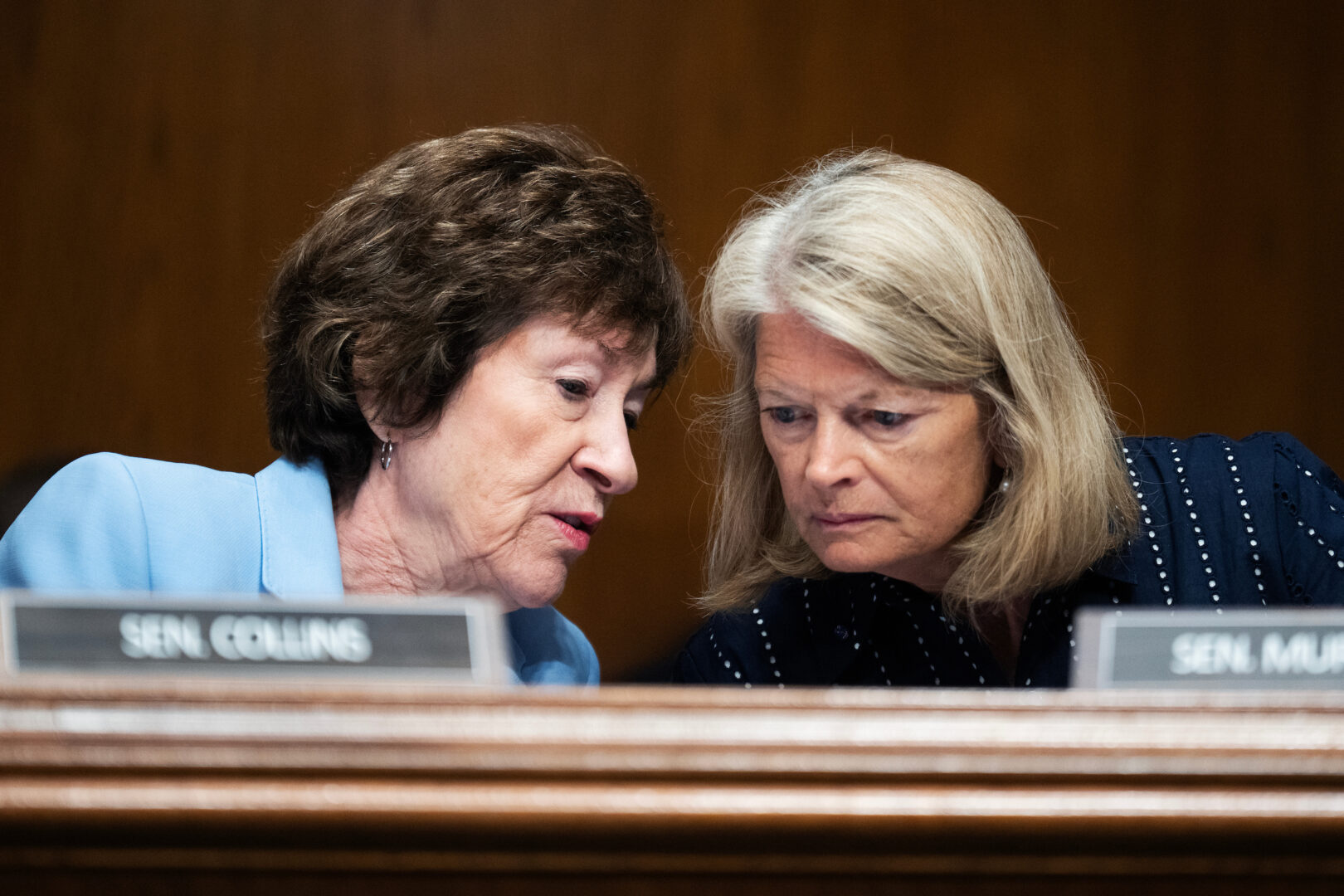
President Donald Trump announced Monday night that taxpayers will no longer pick up the tab for political TV advertisements promoting himself and administration policies. Facing a public backlash from lawmakers of both parties, Trump said in a post on his Truth Social site that he would in part use money raised by a super PAC, MAGA Inc., to fund the ads instead of relying on tax dollars. When the ads <a href="https://rollcall.com/2026/09/29/lawmakers-cry-foul-over-publicly-funded-trump-tv-ads/">began running last month</a>, the government had used funding provided to the Department of Homeland Security in last year’s reconciliation law, something lawmakers in both parties widely criticized. “The Radical Left is upset with the fact that I am taking Ads, which I consider to be a positive promotion for our Great U.S.A., and paying for them with U.S.A. money,” Trump <a href="https://truthsocial.com/@realDonaldTrump/posts/117390649505706640">wrote</a>. “This is a rather standard thing to do but, rather than doing that, although nothing will make them happy, I have decided to do the Patriotic Ads, among others, and pay for them myself and with money I raised for MAGA, Inc.” The use of the taxpayer dollars to fund the advertisements was an “illegal and a shockingly corrupt misuse of taxpayer dollars,” Senate Appropriations ranking member Patty Murray, D-Wash., and Senate Homeland Security Appropriations Subcommittee ranking member Christopher S. Murphy, D-Conn., wrote in a letter last week. The Democratic appropriators had introduced a bill that would cut funding for the Office of Management and Budget every time that taxpayer funding was used for “publicity or propaganda purposes.” Similar language is part of an existing spending law. The advertisements were marked “Paid for by the US Government” and aired during popular television events, like college and NFL football games. One ad featured Ultimate Fighting Championship President Dana White <a href="https://x.com/MediumBuying/status/2103659187590869104">praising Trump</a> alongside the words, “America will never be a communist country." Another ad <a href="https://x.com/MediumBuying/status/2104217573051060475">closely resembled</a> one Trump had used in his 2024 presidential campaign. The administration had tapped funding meant for Customs and Border Protection and moved $20 million into an account for "commemorative events” for the reconciliation law, according to a Sept. 19 <a href="https://openomb.org/file/11559134">apportionment</a> — money that was then used to pay for the ads.