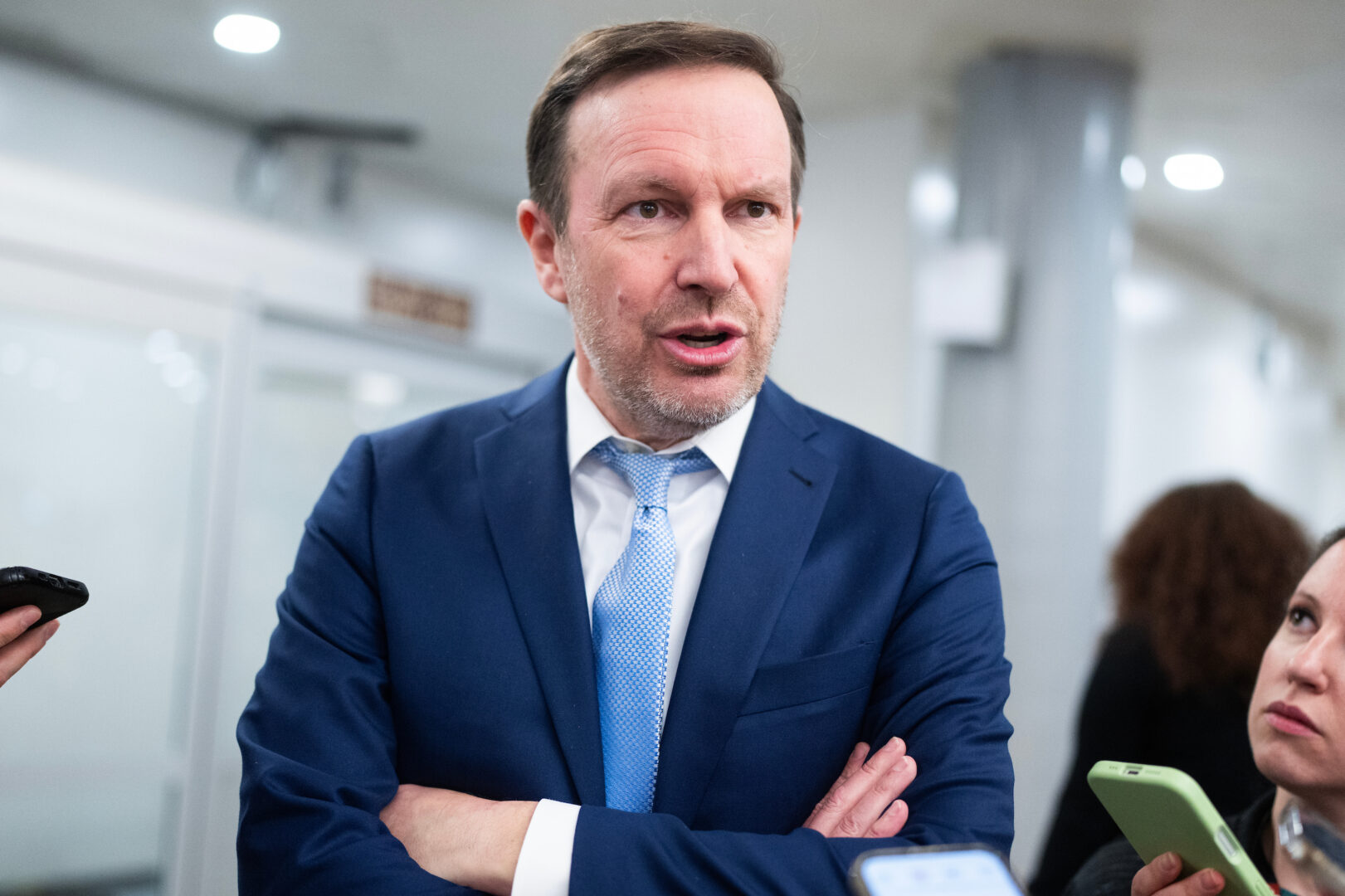
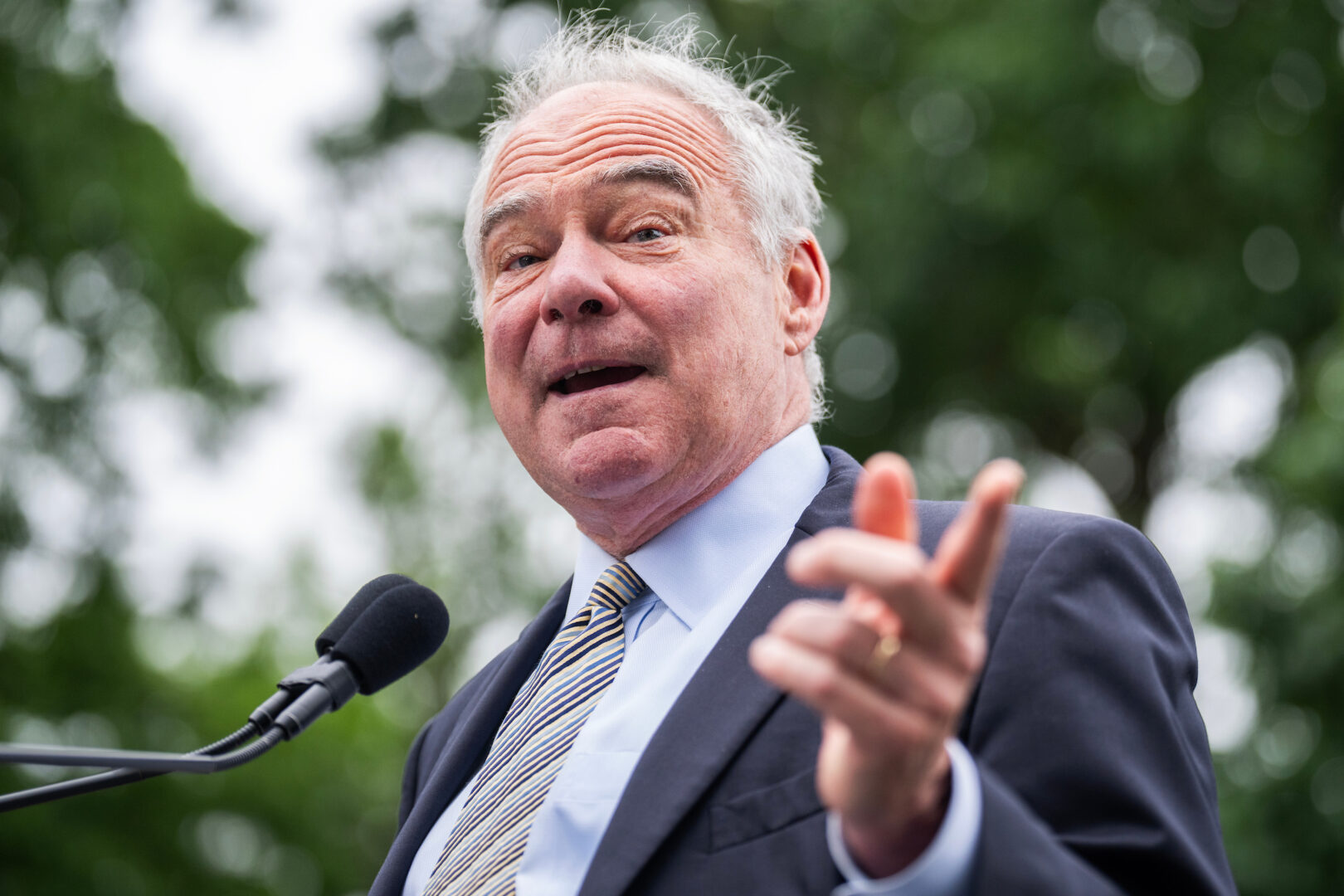
The Trump administration’s shake-up of the United States’ public health apparatus in the wake of the COVID-19 pandemic has public health experts concerned about the country's ability to respond to emerging disease outbreaks like hantavirus and Ebola.Whether that’s a concern for Congress, however, often depends on the member’s party — a reaction that should be familiar to anyone who lived through the highly partisan response to the pandemic.There are 41 Americans being monitored for hantavirus, a highly deadly pathogen, after an outbreak on a cruise ship off the coast of West Africa. And at least one American has tested positive for Ebola and six Americans had a high-risk exposure after an outbreak in the Democratic Republic of the Congo that is suspected of killing 223 people as of Monday, according to Centers for Disease Control and Prevention data.The overwhelming message is that Americans are at very low risk from these diseases. But some say lawmakers' ad hoc funding of some public health programs, the expiration of others, and the Trump administration's significant cuts at CDC aren't helping.“There might be misconnections or missed opportunities for information sharing, which can add up to delays [in] response or understanding what's happening on the ground,” said Josh Michaud, associate director for global public health policy at KFF. “Those kinds of things in an outbreak situation can be dangerous.” Democrats and public health organizations are raising concerns that the country’s public health apparatus is leaderless, underfunded and unprepared if hantavirus or Ebola spreads further.Republicans largely say it's no sweat, noting that the risk to the American public is low. CDC cuts This partisan division over infectious disease appears here to stay. Study after study shows that U.S. elected leaders and the general public are quarantined from each other based on political affiliation when it comes to public health, and that alone can lead to poorer health outcomes.Two-thirds of Republicans and three-quarters of self-identified MAGA-supporting Republicans say they trust the Trump administration for reliable health information, according to polling from KFF. But just one-third or fewer of independents and Democrats say the same.Attrition, retirements and cuts by the administration have put staffing at the Centers for Disease Control and Protection lower by 25 percent to 33 percent, according to some estimates. The agency has been without a permanent director essentially since Trump regained office.“God save us if there is another pandemic. These guys can’t organize themselves out of a paper bag,” said Sen. Christopher S. Murphy, D-Conn., a member of the Senate Health, Education, Labor and Pensions Committee. National Nurses United, the largest union of registered nurses in the country, is concerned that the U.S. is less prepared to fight infectious diseases now than it was at the start of COVID-19.“The Trump administration has purposely taken a sledgehammer to that infrastructure over the past year,” the organization said in a statement.Sen. Tim Kaine, D-Va., said he is “very nervous” about agency vacancies and the U.S. no longer being part of the World Health Organization after Trump withdrew from the international body last year. Public health advocates say that could lead to delays in sharing of epidemiological data with other nations and limiting U.S. participation in contact tracing of infected people. The CDC now must rely on direct country-to-country partnerships.Kaine said concerns he's brought to Trump officials about leaving WHO have gone unaddressed. “The leadership of the nation's public health agencies is so up in the air between people getting fired, people being nominated and having their nomination retracted, that's taking a lot of energy right now. Like who's leading this effort?” Kaine asked. 'A lot of lessons' The Pandemic and All-Hazards Preparedness Act expired in 2023, though some of its provisions have been renewed through short-term extensions in continuing resolutions. Others expired at the end of the 2025 fiscal year, including authorizations to temporarily reassign state and local personnel during public health emergencies and authorizations for national advisory committees for at-risk populations.That may make it difficult for the CDC and state public health departments to make long-term plans to address biosecurity and supply chain issues.Kaine said he "wouldn't be surprised" if the outbreaks reignite efforts at a long-term authorization of the pandemic law.But that stands in contrast to the reaction from many Republicans.Rep. Earl L. "Buddy" Carter, R-Ga., said the country is in a better place on preparedness than before the COVID-19 outbreak because health officials have “a lot of lessons” since then. He noted some hantavirus patients are being treated in his state, at a biocontainment unit at Emory University.“I'm not sure you can ever go far enough, it’s always open for scrutiny and or criticism, but I think that we're in better shape than we were,” he said. “I think that we should just monitor it, make sure that it doesn't get out of hand and do everything we can to keep it under control.”House Energy and Commerce Chairman Brett Guthrie, R-Ky., said weeks ago that he had discussed the hantavirus outbreak with Centers for Medicare and Medicaid Services deputy administrator Chris Klomp and that he “has his hand on it.”“I feel confident about what we're doing now, but we're obviously going to keep an eye on it,” Guthrie said. “The oversight staff is really focused on this and talking to HHS everyday.”The outbreaks are coinciding with some lawmakers' efforts.Sen. Elizabeth Warren, D-Mass., and Rep. Lauren Underwood, D-Ill., on May 19 reintroduced a bicameral bill to address risks to maternal health during public health crises.The bill would authorize funding for CDC programs that support maternal and infant health to improve their pandemic response services, communication and data collection. Health outcomes for pregnant and postpartum women worsened during the COVID-19 pandemic, according to a report from the Government Accountability Office.“Public health emergencies push our already-broken health care system to the brink, and it’s pregnant women and moms who pay the price. We can’t get caught flat-footed by the next pandemic or health crisis,” Warren said in a statement. Lia DeGroot and Valerie Yurk contributed to this report.