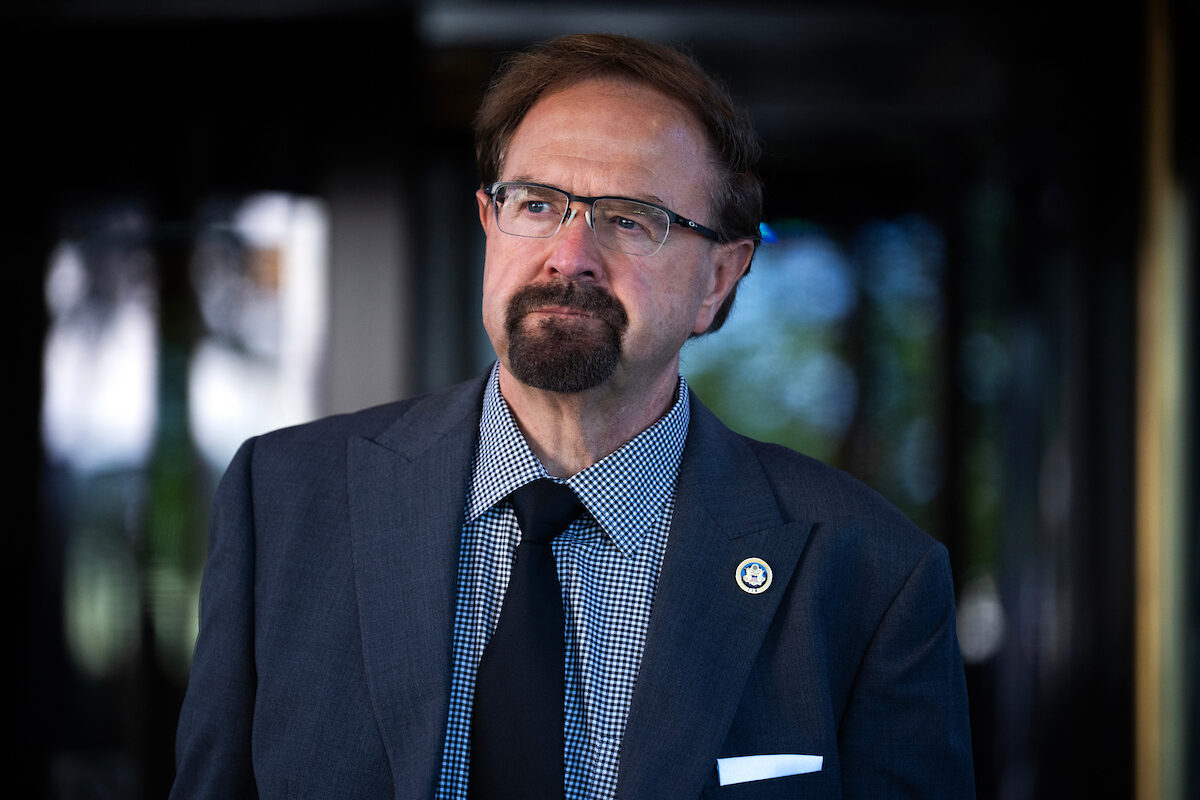
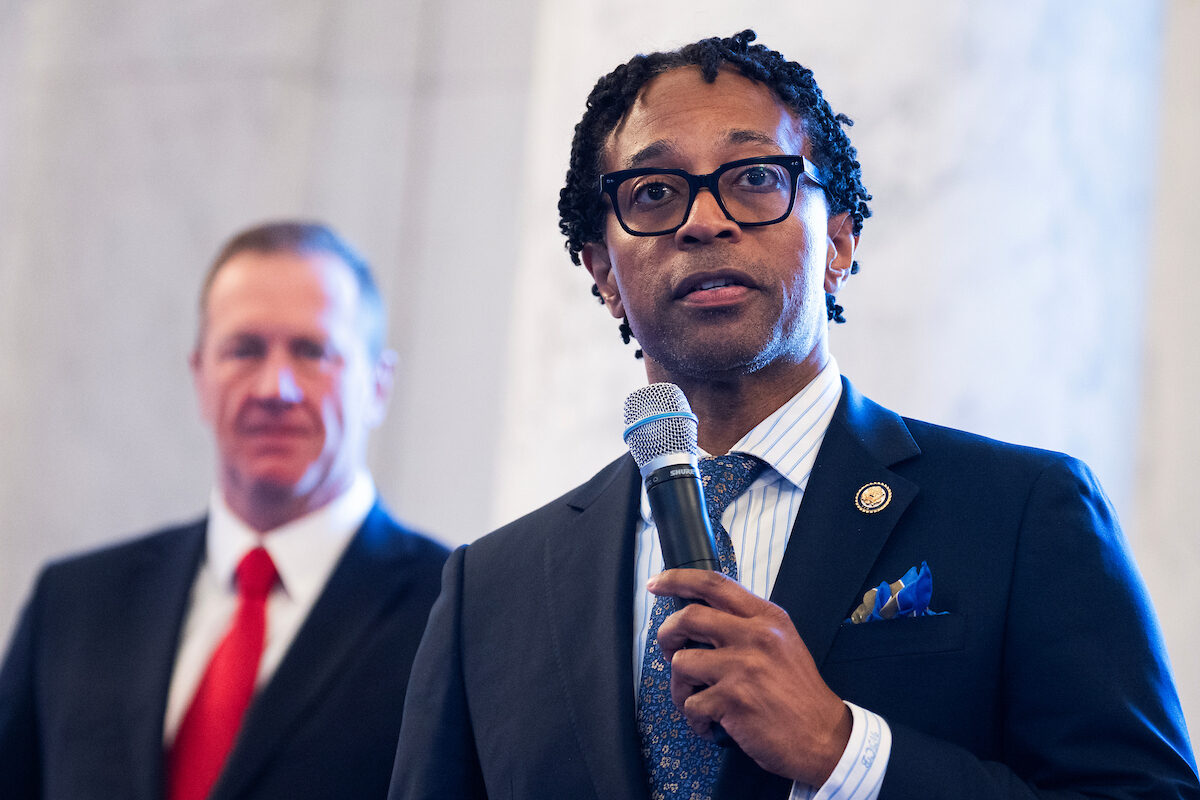
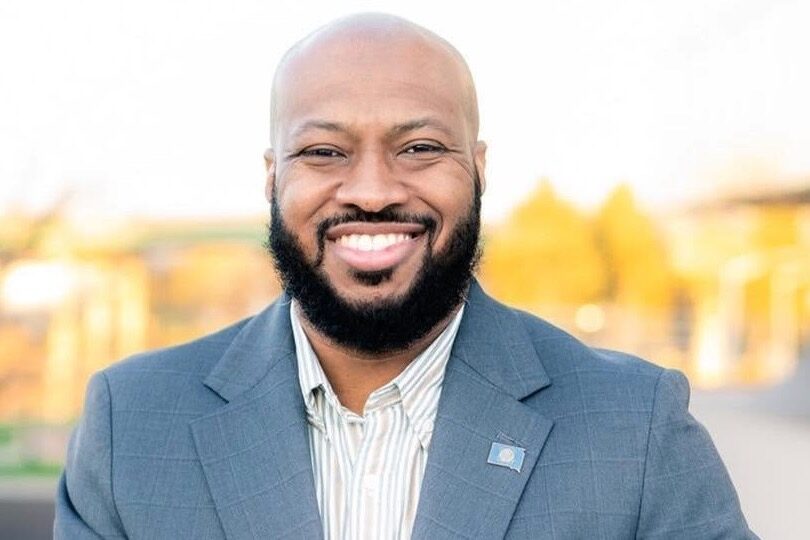
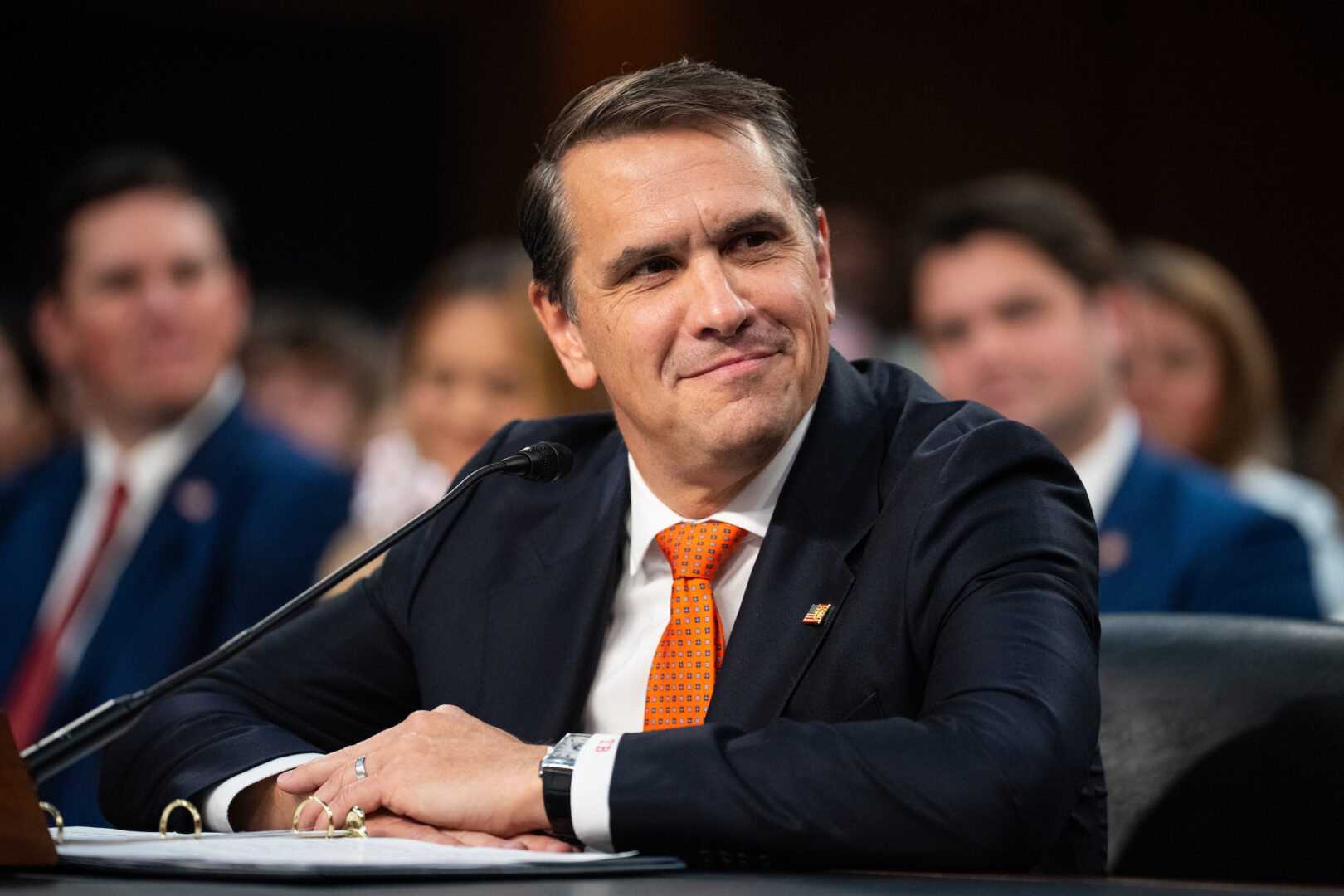
The Democratic Party’s anti-incumbent wave has skipped Hawaii, with centrist Rep. Ed Case handily defeating state Sen. Jarrett Keohokalole in this weekend’s primary. Case, 73, who’s spent more than a decade in the House across two separate stints, was leading Keohokalole, 60 to 36 percent as of Sunday morning, with 91 percent of votes counted in the Honolulu-based 1st District, according to The Associated Press. Three other Democratic candidates split the remaining 4 percent of the vote. “I’m incredibly grateful to the voters for your vote of confidence in my service in Congress,’’ Case told KHON2 News, adding that Keohokalole called to congratulate him. The win bucks a national trend that has seen several House Democrats losing to primary challenges in deep-blue districts this year. Case also had historic headwinds on his side: No sitting member of Congress from Hawaii has ever lost a primary challenge. Case himself came up short in 2006, when he challenged incumbent Sen. Daniel Akaka in a Senate Democratic primary. Keohokalole, 43, positioned himself as a change agent who would usher in “a new generation of leadership.” He had the backing of Our Revolution, the progressive group founded by Vermont Sen. Bernie Sanders. “The solutions we’ve been getting from Ed Case are not good enough,’’ Keohokalole said in a campaign spot. “The urgency we deserve is missing.” He accused Case of failing to aggressively fight against the Trump administration’s immigration crackdown and criticized him for crossing party lines to back a version of a bill that would have toughened voter identification rules. (Case told Hawaii News Now last month that he no longer backs the legislation because Republicans stripped a provision that would have allowed voters without citizenship documentation to register by submitting a written attestation of citizenship.) During the campaign, Case emphasized his experience, noting his service on the influential House Appropriations Committee. A member of the center-left New Democrat Coalition, he said he took seriously the support that Keohokalole had in the primary. "Certainly, he was speaking to the hopes and fears and concerns of a good solid chunk of the electorate out there,” the congressman told KHON2 News. “My job is to take of all that and encompass the people that spoke with him and voted for him into my own representation in Congress.” Case will be heavily favored to prevail in November over Republican Adriel Lam, who was unopposed in his primary. . Meanwhile, Democrat Jill N. Tokuda easily won her primary for the 2nd District and will next face Republican state Sen. Brenton Awa. Inside Elections with Nathan L. Gonzales rates both races Solid Democratic.