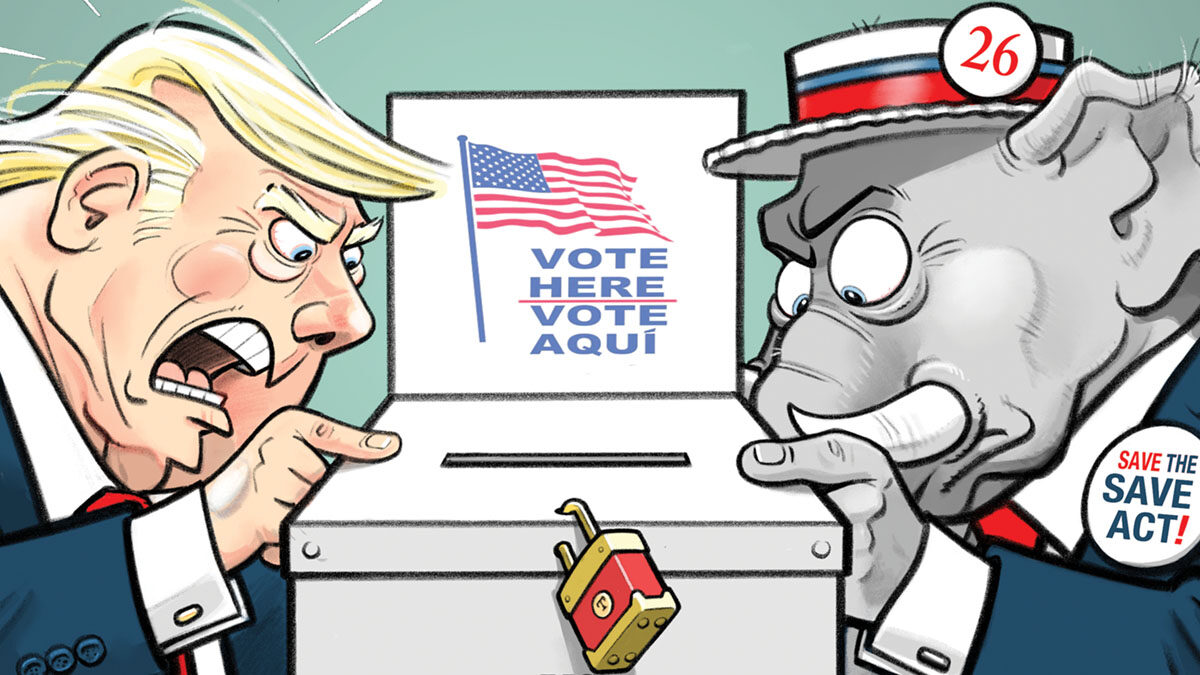
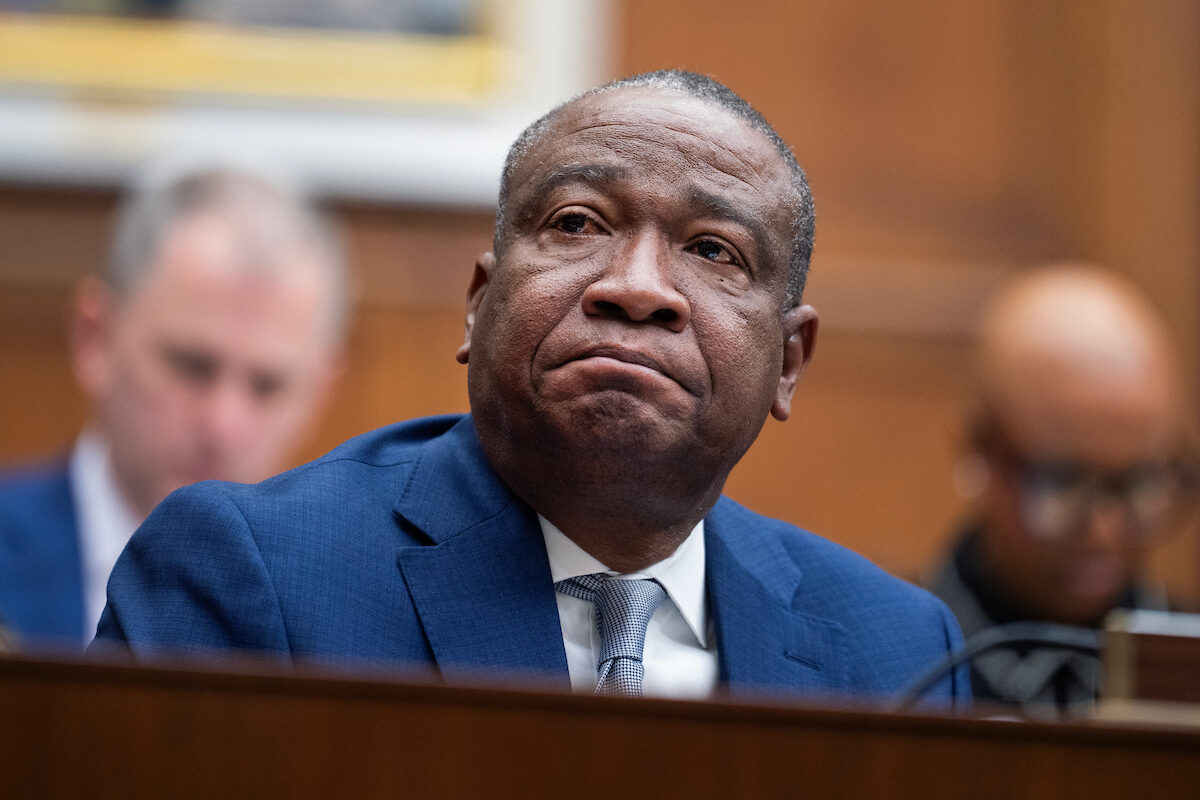
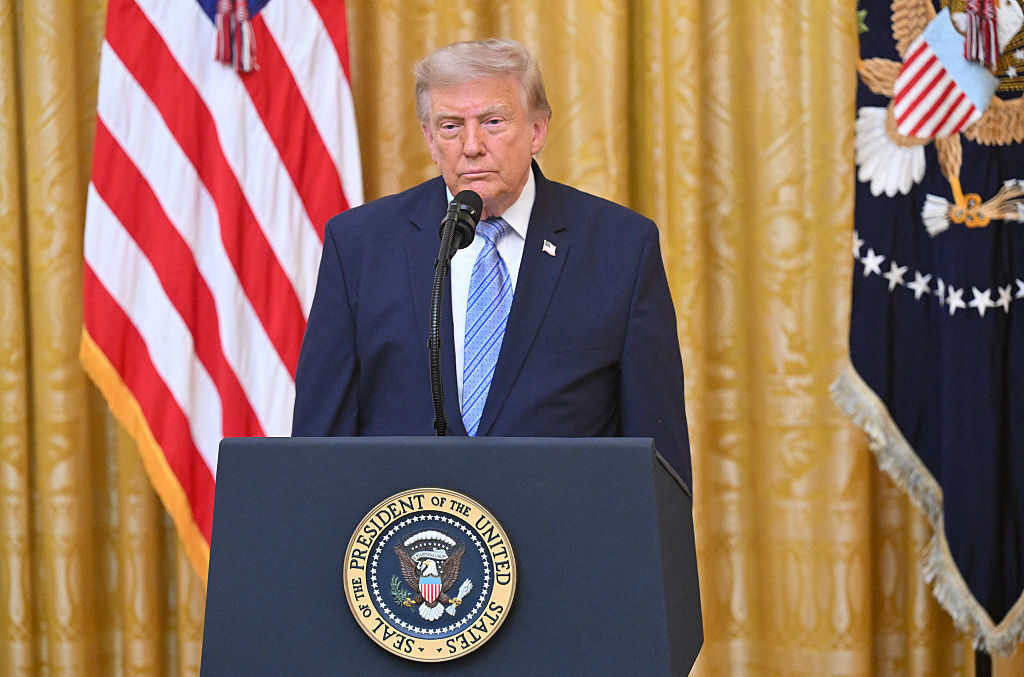
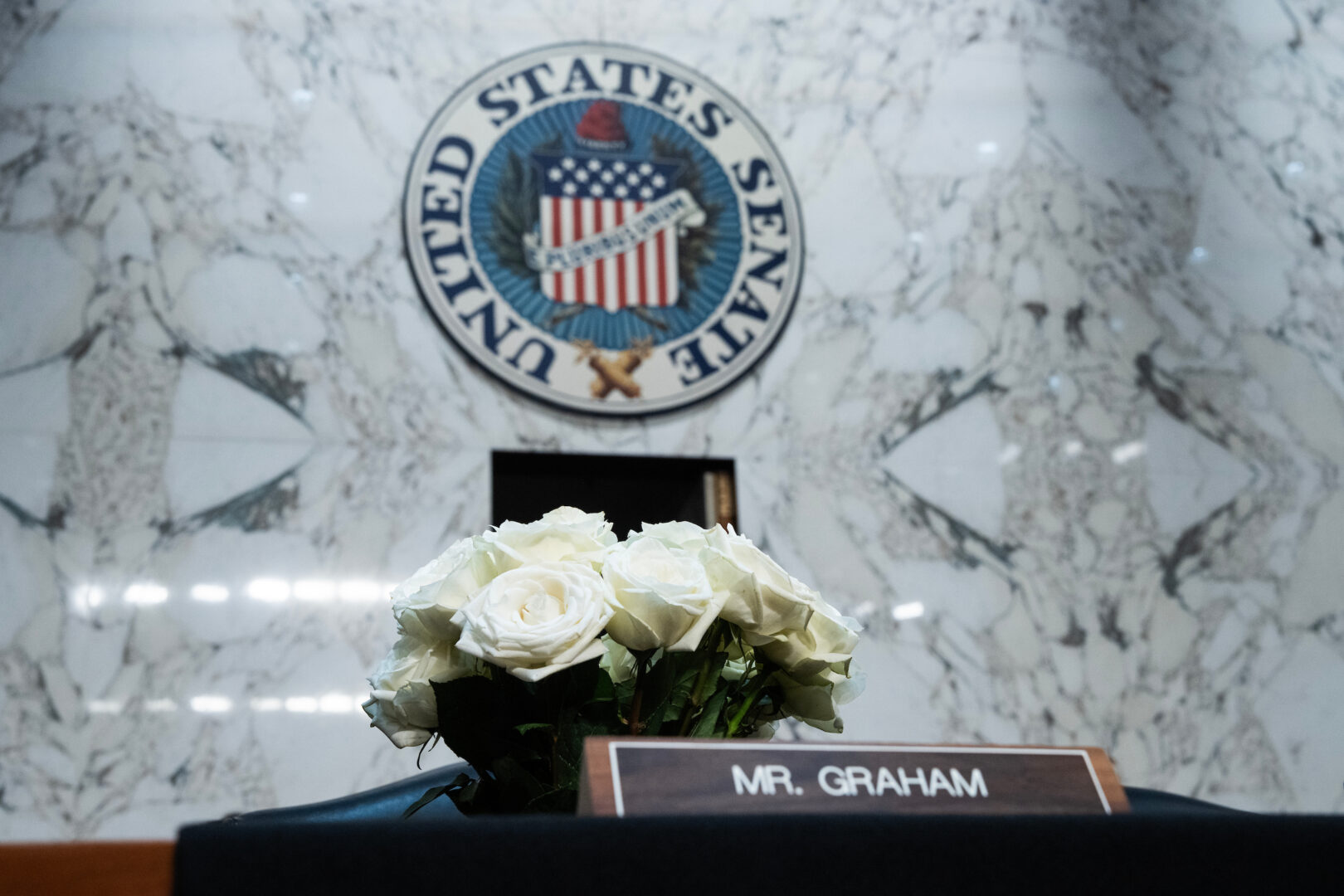
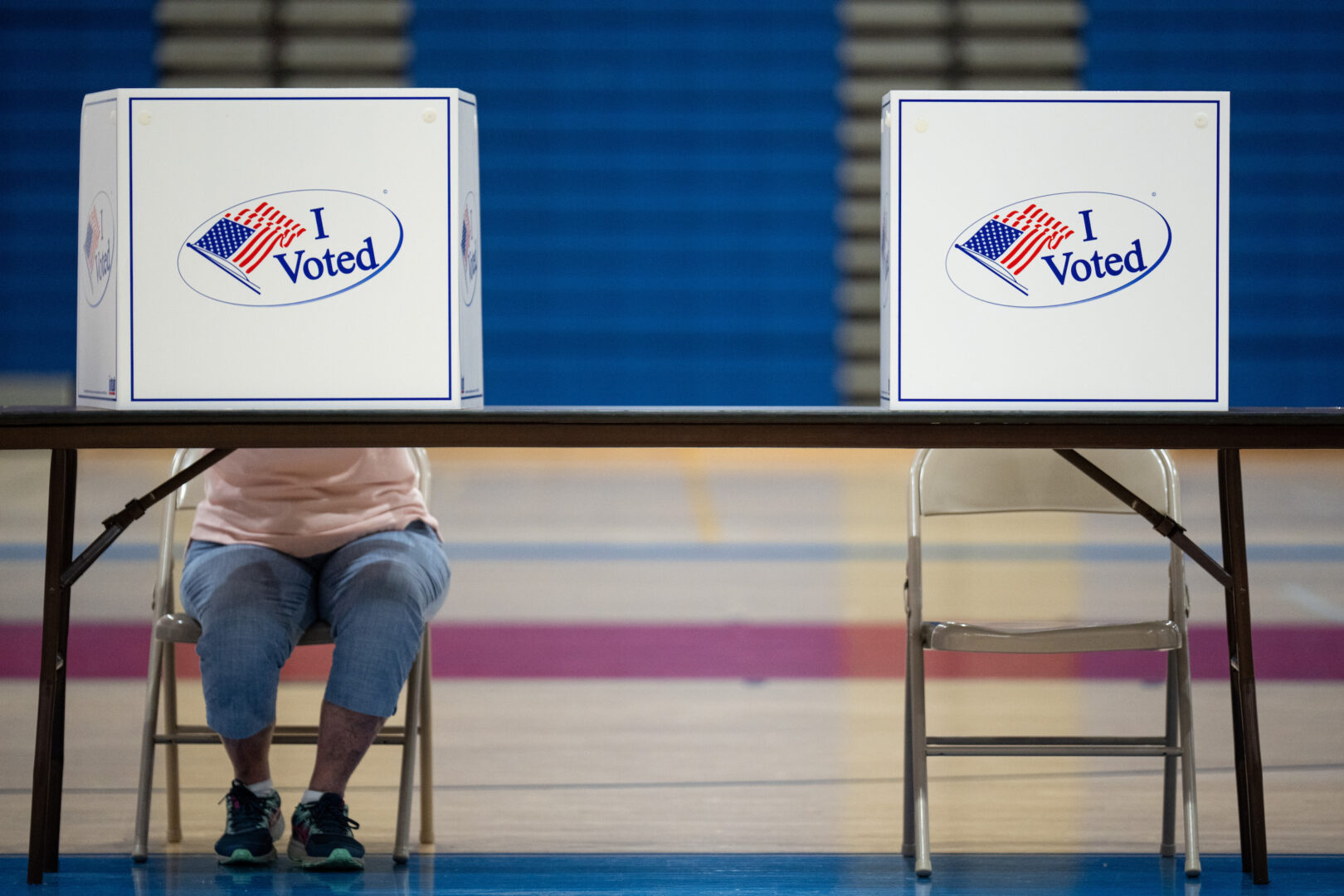
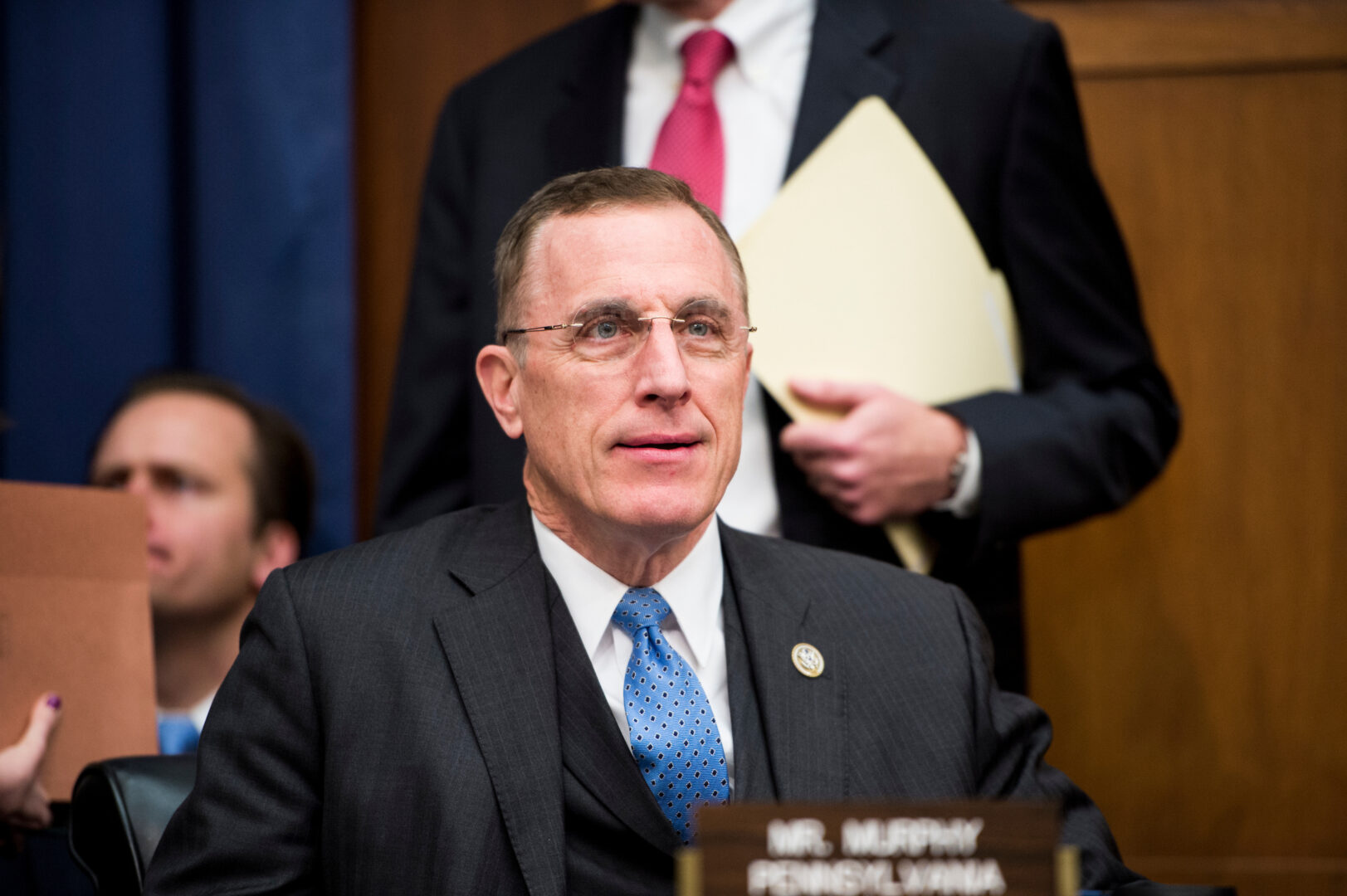
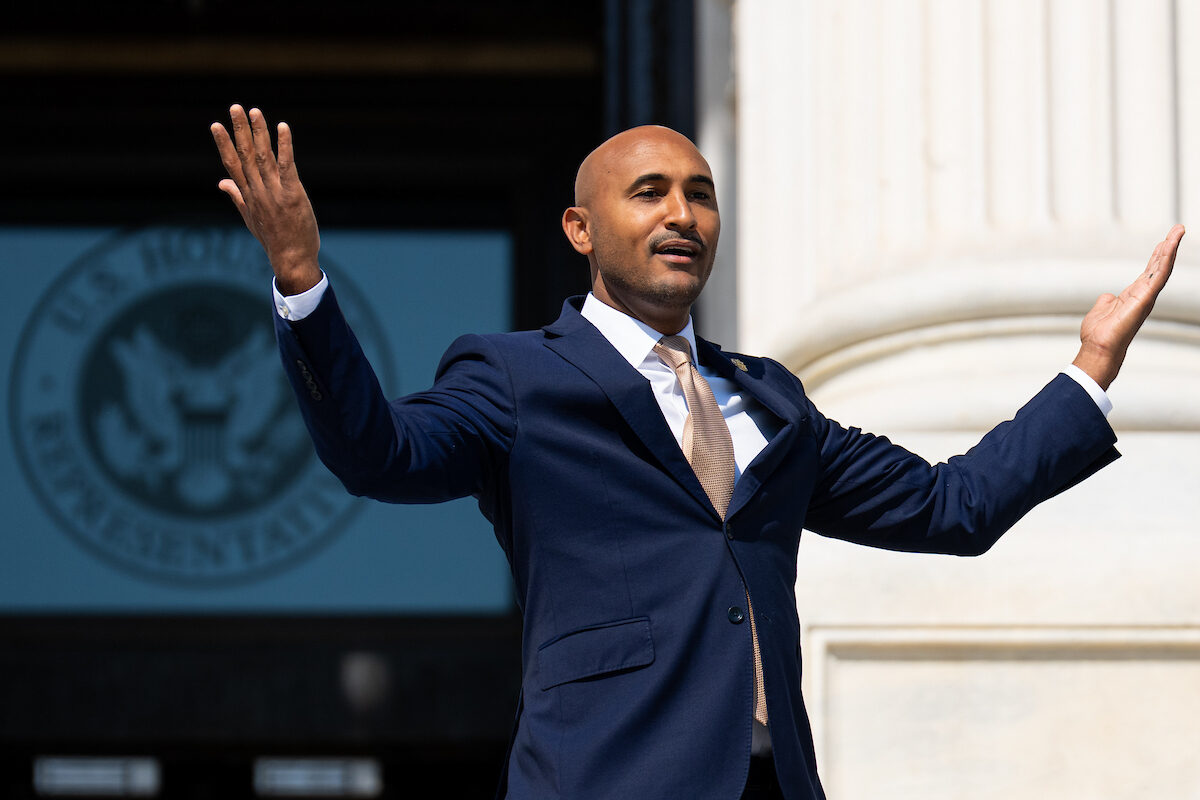
Lawmakers took a step Wednesday toward reining in their own stock trading, a move Republicans hope will burnish Congress’ image as they head home for an extended August break. In a mostly party-line 232-198 vote, the House passed a GOP-led bill that would bar members of Congress, their spouses and dependent children from buying new stocks. “If you want to day trade, there’s a place for that. It’s called Wall Street,” said House Administration Chair Bryan Steil, R-Wis., the bill’s lead sponsor, during debate on the floor. Thirteen Democrats voted in favor. Some said the proposal doesn’t go far enough, arguing it should ban stock ownership entirely or extend beyond Congress to the president. “It’s a terrible bill. It doesn’t ban stock trading in Congress or anywhere else,” said Rep. Seth Magaziner, D-R.I. Republicans muddied the waters this week, adding unrelated language that would require voters in federal elections to show photo ID at the polls. That’s a key issue for President Donald Trump, even if it stops short of the much wider election bill he favors. “Republicans have corrupted their so-called stock-trading bill with a decaying piece of the SAVE America Act corpse,” House Administration ranking member Joseph D. Morelle, D-N.Y., said during floor debate, calling the voter ID provision a “poison pill.” Members could keep their existing stocks under the proposal, and they could also sell them off, so long as they give public notice at least seven days and no more than 14 days in advance. Violators could face fees imposed by the House and Senate Ethics panels of either $2,000 or 10 percent of the value of the transaction, whichever is greater, along with the net gain realized. An exception is included for widely held investment funds. The bill now heads to the Senate, where it faces an uncertain path. The lead sponsor of that chamber's version, Sen. Pete Ricketts, R-Neb., urged his colleagues to take it up, saying trust in Congress is “at an all-time low.” While a broader bill aimed at blocking member stock ownership made it through the Senate Homeland Security and Governmental Affairs Committee last year, it has since stalled. Members of Congress have long faced questions about their stock profits, since they can learn sensitive, market-moving information in the course of their jobs. Though a 2012 law known as the STOCK Act already makes it clear they are not exempt from insider-trading prohibitions and requires them to promptly disclose their trades, it is rarely enforced. Other efforts to crack down on stock trading have repeatedly lost steam. A bipartisan group in the House had built momentum earlier this Congress, unveiling a consensus bill that would require lawmakers to offload their stocks within 90 days of taking office. But that fell apart as Democratic leaders demanded any ban also extend to the president and vice president. Speaking to reporters Tuesday, Speaker Mike Johnson said the bill was “a very logical thing to do.” “Democrats only talk about corruption. Republicans are actually delivering real solutions to actually restore the public’s faith in our institutions because we believe in this country,” Johnson said. It gives House Republicans a messaging win ahead of the midterm elections, as they go back to their districts this summer and make the case they’re serious about cleaning up potential corruption. It also puts Democrats in an awkward spot as they try to explain to voters why they voted against it. The broader issue has already shown up on the campaign trail as a talking point. Former Rep. Elaine Luria, D-Va., for example, who is running against Rep. Jen Kiggans, R-Va., is now calling for a ban on congressional stock trading, after once dismissing that idea and arguing the STOCK Act was enough.