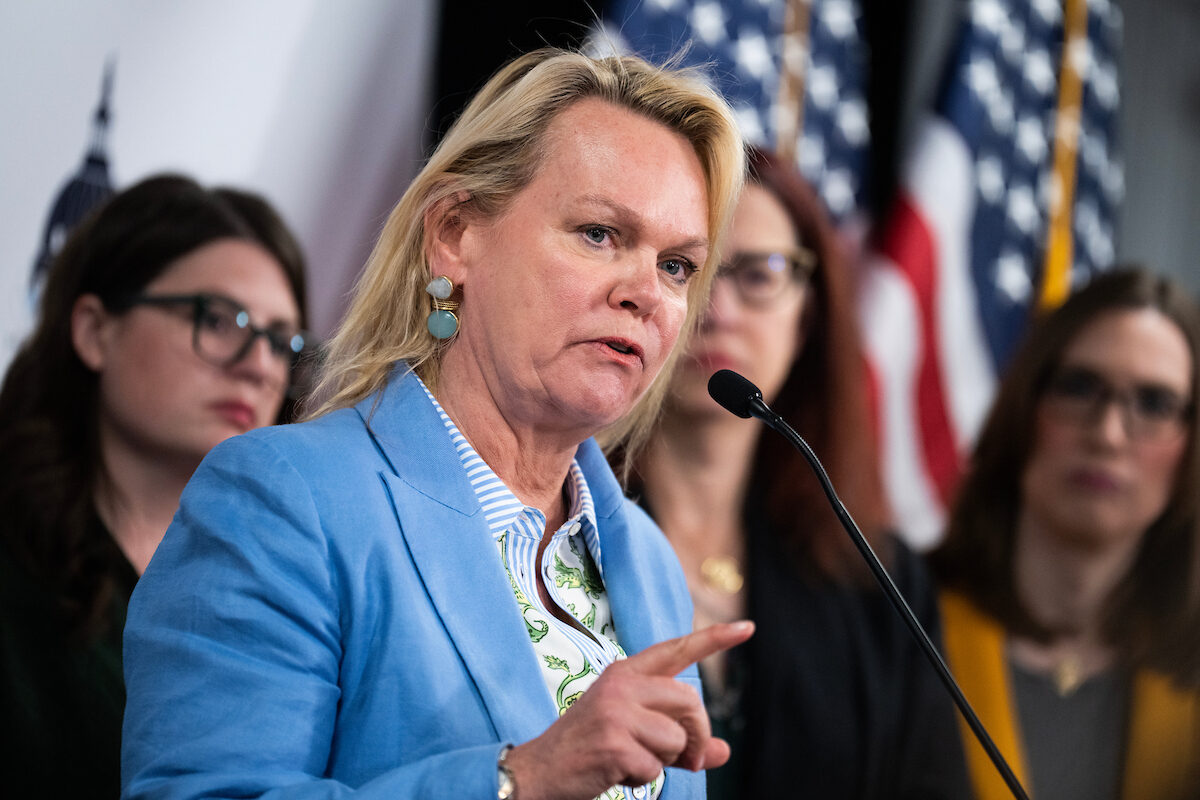
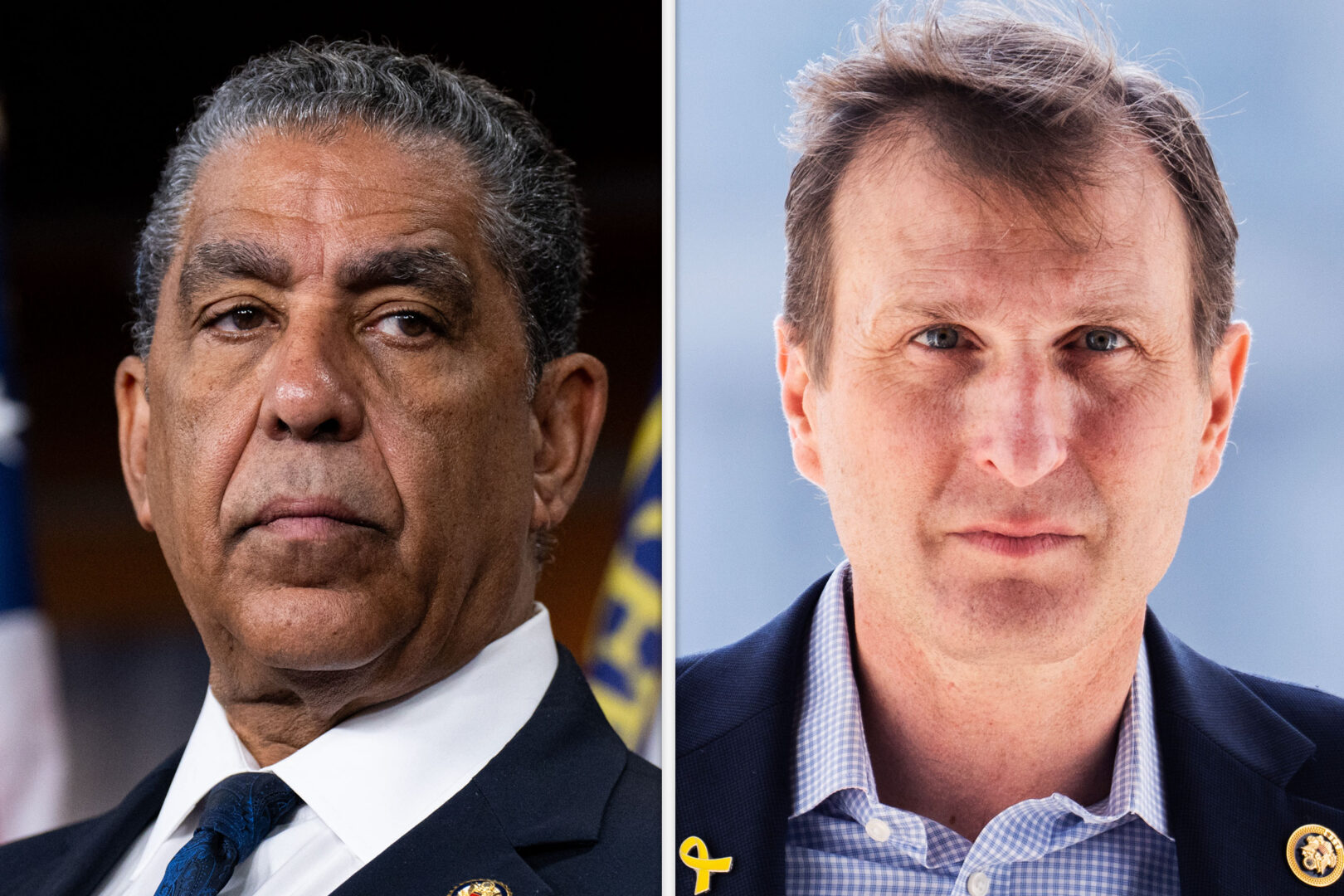
As concerns grow over insider trading on prediction markets, a House panel advanced a bill Wednesday that would curb how lawmakers can use them. House Administration Chair Bryan Steil, R-Wis., described his proposal as a narrow but important “step in restoring public trust.” With the midterm elections approaching, congressional approval ratings are hovering near record lows, and both parties are eager to clean up that image. But Democrats on the panel withheld their support, saying the bill wouldn’t go far enough. Steil’s measure would prohibit members of Congress, their spouses and dependent children from participating in prediction market transactions related to a specific government policy, a government action, a political outcome or an event that comes to their attention through their congressional service. It would allow the House and Senate ethics panels to impose fines of $2,000 or 10 percent of the value of the transaction, whichever is greater, as well as the net gain. Those who resign or retire without paying the fine could be referred to the Justice Department. Ranking member Joseph D. Morelle, D-N.Y., complained the bill would ban “only certain contracts for certain people.” Instead, he proposed a “total congressional ban on participation in prediction markets” that would cover not only members of Congress and their immediate families, but also staff and candidates for federal office. Steil countered that a broader bill could have unintended effects, punishing members when their teenage kids bet on sporting events, for example. The panel ultimately reported the bill as amended with a 5-4 vote on party lines. It comes after a number of prediction market trades raised eyebrows and captured headlines, with anonymous accounts on platforms like Polymarket raking in big payouts over sensitive events like the start of U.S. military strikes on Iran. It also comes after the Senate took a quicker route back in April, changing the rules of the chamber to immediately include a ban for senators and their aides. “The Senate was able to unanimously block senators and staff from trading on prediction markets in one day. Why can’t and why won’t the House do the same thing?” Morelle asked. FiscalNote, the parent company of CQ and Roll Call, has announced a product expansion into political prediction markets. Another pass at voter ID A different bill on the markup agenda was even more contentious, as Republicans took another swing at a signature issue for them: voter ID. The topic is in the spotlight this week as President Donald Trump and an ultraconservative group of Republicans threaten to hold up other legislative priorities until they see a sweeping package known as the SAVE America Act become law. But the bill the House Administration panel advanced Wednesday is much narrower. Introduced by Steil, it would require photo identification to cast a ballot in federal elections, but would not require proof of citizenship. It would also establish grants to states and tribes to help them waive fees for obtaining IDs for those with financial hardships. Such a move should head off concerns about blocking low-income people from the ballot box, Republicans said. Morelle said Democrats aren’t necessarily opposed to voter ID laws but argued this one would still be too restrictive. “This bill is not meant to secure American elections; it’s meant to ensure certain Americans cannot access the ballot easily,” Morelle said. The committee ultimately voted on party lines, 8-4, to report the bill, as amended. But first, Morelle offered an amendment that would expand acceptable forms of ID, which was rejected. Capitol Police drone bill takes flight The panel also marked up a bill, sponsored by Rep. Eli Crane, R-Ariz., aimed at giving Capitol Police more authority to counter drones. The air over the Capitol is already a no-fly zone, but the proposal would explicitly allow the Capitol Police Board to authorize personnel to take action to mitigate credible threats posed by unmanned aircraft systems, if such threats appear. “There are gaps in regulatory authority that need updating to ensure the United States Capitol Police has explicit authority to respond to any emerging drone activity. I think we can all agree that the Capitol Police stands ready to be able to address potential threats, but we must ensure that they have the tools they need without confusion,” Steil said. The bill was approved unanimously by the panel alongside two others related to oversight of the legislative branch. One of those, sponsored by Rep. Mary Miller, R-Ill., would sunset the advisory committee currently responsible for advising on the management and preservation of congressional records, while the other, led by Rep. Stephanie Bice, R-Okla., would revise and update operational authorities of the Government Publishing Office.